Moscow’s Victory Day Parade Scaled Back Over Ukrainian Drone Strike Fears

Russia’s Current Situation
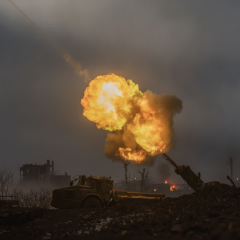
According to ХВИЛЯ: This year’s May 9 military parade in Moscow was held in a reduced format, with heavy equipment like tanks excluded from the event. The decision stemmed from concerns about potential Ukrainian drone attacks. Meanwhile, Moscow has been regularly shutting down its major airports and disabling mobile internet services due to heightened security threats. The country’s situation is escalating, with even generals becoming targets of assassinations on the streets of the capital.
Russia’s economic troubles are also worsening: fuel prices are rising nationwide, linked to strikes on oil refineries. According to GCHQ chief Anne Keast-Butler, nearly 500,000 Russians have died in the war in Ukraine. This conflict has now lasted longer than the USSR’s war with Germany during World War II, and in April, Russian forces suffered territorial losses.
Historical Context and Political Shifts
An article in the journal ‘Russia in Global Affairs’ states that the goal of removing the pro-Ukrainian government in Kyiv is ‘fundamentally unattainable.’ Historical parallels highlight several precedents:
- The 1905 defeat in the Russo-Japanese War fueled popular unrest;
- Failure in World War I set the stage for revolution;
- Nikita Khrushchev’s ouster in 1964 was tied to his failure during the Cuban Missile Crisis;
- The endless war in Afghanistan led to the collapse of the USSR;
- Protest waves in 2011-2012, 2019, and 2021 ended with mass arrests and violence.
Key events of recent years include the 2015 murder of Boris Nemtsov near the Kremlin and the 2024 death of Alexei Navalny in a penal colony. State Duma elections are scheduled for September this year, which could reshape the political landscape. Yevgeny Prigozhin’s 2023 mutiny marked the closest point to a loss of power during Vladimir Putin’s presidency, though Prigozhin died in a plane crash shortly after the rebellion.
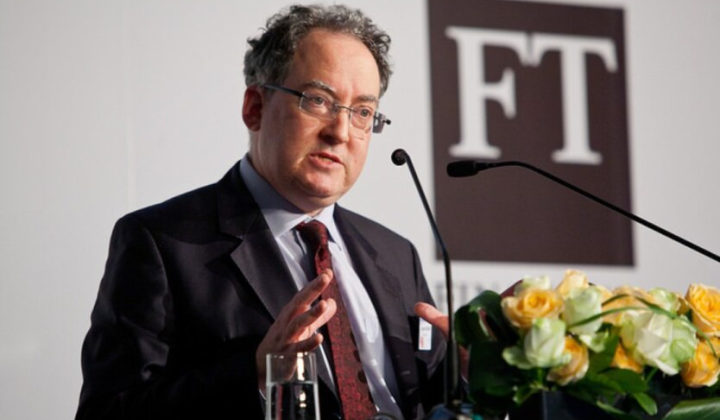
“The special operation not only failed to defeat Ukraine but also brought the war to the very heart of Russia.”
Gideon Rachman
Analyzing the situation, Alexander Gabuev adds that the country’s elite consists of ‘handpicked loyalists and beneficiaries of the current confrontation, each of whom has compromising material as a means of control.’ Thus, amid military and economic challenges, Russia is showing signs of potential political transformation.
Given the current challenges facing Russia, it is important to note that the situation could have far-reaching consequences for the country’s political stability. Growing public discontent, economic hardships, and military defeats may act as catalysts for a change in leadership. The September State Duma elections could open a new chapter in Russia’s political life, though their outcome remains uncertain given ongoing repression and control over the opposition.
As the situation in Russia continues to deteriorate, the confidence of the elite in President Putin is increasingly in question. The ongoing conflict and economic hardships are contributing to a sense of instability among the ruling class. For a deeper understanding of how these factors are influencing the political landscape, read more about the erosion of trust within the Russian elite.

Read also