Pashinyan's Party Leads in Armenia's Parliamentary Elections, Exit Polls Show


Armenia's Parliamentary Elections
According to Главком: Current Prime Minister Nikol Pashinyan's party, Civil Contract, is leading in Armenia's parliamentary elections based on exit poll data. The party is projected to secure between 32.7% and 56.7% of the vote. In second place is the Strong Armenia party, led by businessman Samvel Karapetyan, which garnered between 17.5% and 29% of the vote. These elections are unfolding against a backdrop of political and economic pressure from Russia, which has blocked imports of Armenian goods in response to Yerevan's growing alignment with Europe. As of 5:00 PM local time, voter turnout stood at 48.92%. Under Armenian law, the elections are considered valid regardless of turnout levels.
Political Landscape
A total of 16 parties and two electoral blocs are competing for seats in parliament. The thresholds for entry are as follows:
- 4% for individual parties
- 8% for blocs consisting of two or three parties
- 10% for broad coalitions of four or more political forces
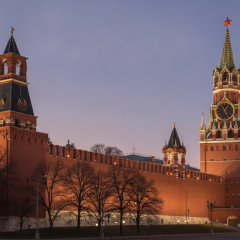
In the lead-up to the vote, the Kremlin has been running a large-scale disinformation campaign to boost pro-Russian candidates, alongside a scheme to transport tens of thousands of ethnic Armenians living in Russia to Armenia for the elections.
Meanwhile, Brussels has increased financial assistance to Armenia and eased trade restrictions, signaling Western support. U.S. President Donald Trump has also backed the current prime minister. As part of strategic initiatives, there are plans to build the "Trump Route" transport corridor, which would connect Azerbaijan to its Nakhchivan exclave for up to 99 years. Russian President Vladimir Putin has previously warned of the financial and economic losses Yerevan would face if it leaves the Eurasian Economic Union to pursue closer ties with the European Union. He urged Armenian officials to carefully calculate every step before making a decision and to ensure the discussion process is transparent and public.
In summary, Armenia's parliamentary elections are taking place amid significant political and economic challenges that could profoundly shape the country's future. Voters, facing both external pressure and a complex domestic political climate, must weigh their choices carefully, as the outcome may determine Armenia's developmental trajectory for years to come.
The ongoing elections in Armenia are not just a test of political support but also reflect broader geopolitical tensions. As the situation evolves, the vote has become a pivotal moment for Armenia's relationship with Russia. Understanding these dynamics is crucial for grasping the implications of the election results on the region's future.

Read also