Hungary's Political Landscape Transformed as Tisza Party Secures Decisive Election Victory

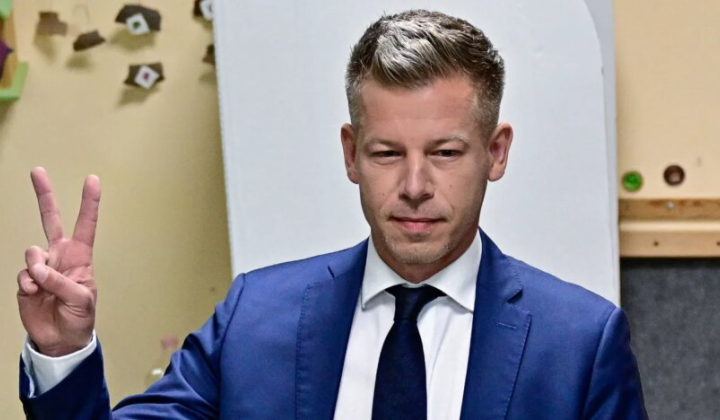
Tisza Party Wins Parliamentary Elections in Hungary
According to ХВИЛЯ: In a dramatic political shift, the opposition Tisza party, led by Péter Magyar, has secured a decisive victory over the ruling Fidesz party of Prime Minister Viktor Orbán in Hungary's parliamentary elections. With vote counting complete, Tisza has won 138 out of 199 parliamentary seats, granting it a constitutional majority. Fidesz, which had been in power for 16 consecutive years, secured only 55 seats. Orbán conceded defeat, stating that
"while the election results are not yet final, they are clear and unambiguous."
This outcome marks the most significant political change in Hungary since Orbán came to power in 2010.
New Leader's Agenda and International Reaction
The 43-year-old politician and lawyer, Péter Magyar, previously worked in the Ministry of Foreign Affairs under Orbán's administration in 2010. His final break with Fidesz came in 2024, after which the Tisza party rapidly grew to become the country's strongest opposition force. Following the announcement of the election results, Magyar declared:
"Hungarians today said 'yes' to Europe, they said 'yes' to a free Hungary."
He also emphasized, "Today, truth defeated lies," and thanked voters for their hope for change.
Magyar's stated policy priorities include:
- combating corruption;
- introducing taxes for the wealthiest citizens;
- reforming the healthcare system;
- establishing an 'agency for the restoration of national wealth.'
In foreign policy, he plans a return to active cooperation with NATO, the European Union, and the Visegrád Group, as well as adopting the euro. However, Magyar opposes providing military aid to Ukraine and does not support Ukraine's accelerated accession to the EU, planning to put this issue to a national referendum.
World leaders congratulated Tisza on its victory. Ursula von der Leyen noted that 'the Hungarian people have made their choice' and affirmed that 'the heart of Europe beats strongest in Hungary.' Donald Tusk welcomed Hungary's return to Europe, stressing that 'Hungary, Poland, and Europe are together again.' Emmanuel Macron also noted the 'victory of democracy' and the Hungarian people's commitment to EU values.
Magyar plans to make his first foreign visit to Poland, signaling an intent for close cooperation with neighboring states. Hungary is now embarking on a path oriented toward European values and cooperation, moving beyond the Orbán era. This political realignment could significantly impact Hungary's domestic reforms and its role within the European Union, particularly regarding regional cooperation and the stance on Ukraine.
The recent election results have significant implications for Hungary's foreign policy, particularly regarding its relationship with Ukraine and Russia. As the new Tisza party leadership prepares to implement its agenda, the potential shifts in Hungary's stance on military aid and EU sanctions could reshape regional dynamics. To understand how these changes might unfold, read more about Hungary's election outcome and its impact on Ukraine.

Read also