Pentagon Confirms Withdrawal of 5,000 Troops from Germany

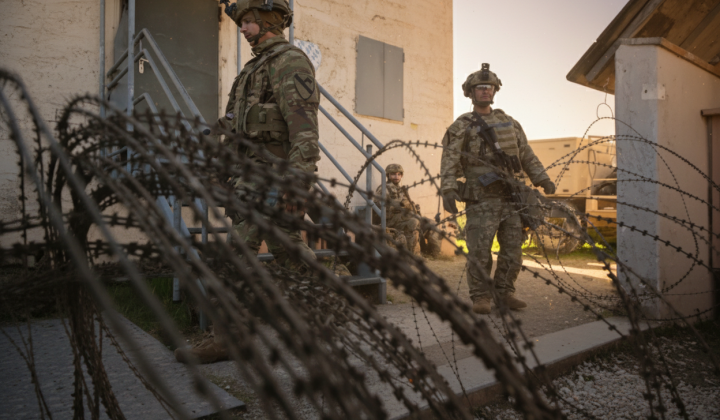
US Military Personnel Reduction Plan in Germany
According to Главком: The Pentagon has formally announced its intention to remove 5,000 American service members stationed in Germany. Germany’s Defense Minister, Boris Pistorius, described the move as anticipated, emphasizing that the presence of US soldiers in Europe-especially in Germany-serves the interests of both nations. According to Pentagon Chief Spokesman Sean Parnell, the troop reduction process will take between six and twelve months to complete.
Currently, nearly 40,000 US military personnel are deployed in Germany. Pistorius estimates that Washington plans to withdraw roughly 5,000 of them. The minister noted that it was foreseeable the US would pull forces out of Europe, including Germany. In response to these developments, European NATO members-Germany among them-have pledged to assume greater responsibility for their own defense.
Regional Security Implications
Nevertheless, Pistorius highlighted challenges that European nations may face, pointing out that limited budgets and gaps in regional military capabilities mean it will take years to strengthen defense readiness. Germany remains a key hub for US operations in Europe, and this decision could significantly affect the security landscape in the region.
The withdrawal of American forces from Germany may signal a shift in US strategic priorities in Europe, as well as a growing push among European countries for greater defense autonomy.
Amid rising global tensions-particularly from Russia-this decision underscores the need to bolster European military capabilities. At the same time, reducing the US contingent could spark concerns about regional security, as NATO allies will have to adapt to new conditions and find ways to enhance their own defensive strength.
As the Pentagon's decision unfolds, the implications for European security are becoming increasingly significant. Understanding the potential consequences of the US troop withdrawal is crucial for grasping how NATO allies will adapt to this shift and what it means for the future of defense in the region.

Read also