Pentagon Bars Photographers from Briefings Over Unflattering Images of Defense Secretary

New Restrictions on Pentagon Briefing Access
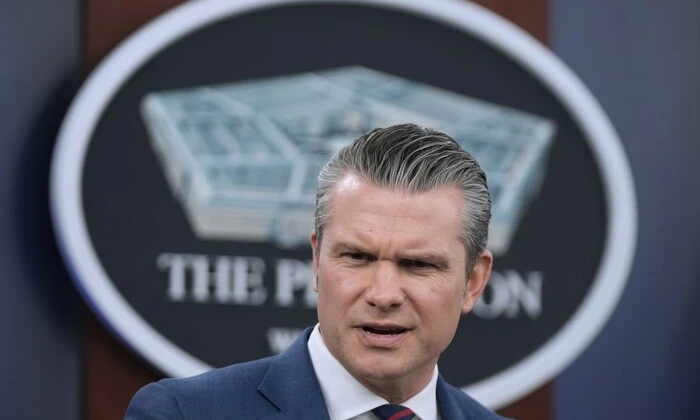
According to Главком: The Pentagon has revoked access for photojournalists to its press briefings following the publication of images of U.S. Defense Secretary Pete Hagstedt that his team deemed unflattering. This decision was made after a briefing on March 2nd and applies to events scheduled for March 4th and 10th. This move is part of a broader trend where government bodies seek to control their public image.
The March 2nd briefing was Hagstedt's first appearance in the Pentagon briefing room since June 26th. Photographers from Associated Press, Reuters, and Getty Images were present. The publication of photos from this event, which also featured Chairman of the Joint Chiefs of Staff General Dan Caine, reportedly caused consternation among the Secretary's aides.
According to two anonymous sources, Hagstedt's aides decided to exclude photographers from the briefings planned for March 4th and 10th. Pentagon Press Secretary Kingsley Wilson addressed the policy change, stating:
“To efficiently use space in the Pentagon briefing room, we allow one representative per media outlet if they are not accredited, with the exception of the pool. Photos from briefings are immediately posted online for use by the public and press. If this harms the business model of certain media outlets, they should consider applying for Pentagon accreditation.”
Impact on Media and Journalism
This decision has drawn criticism from journalists who argue that limiting access to briefings could negatively impact coverage of critical issues, including the U.S. and Israel's conflict with Iran. A joint U.S.-Israeli strike on Iran occurred on February 28th, resulting in the death of Ayatollah Ali Khamenei. Given this volatile geopolitical context, the new briefing access rules are seen as particularly significant for press freedom.
The Pentagon's policy could have serious consequences for media coverage, as restricted access may complicate the reporting of major government actions and events. Amid rising regional tensions and shifting political dynamics, journalists may face greater obstacles in obtaining reliable information, potentially affecting news quality and public understanding of the situation.

Read also