Over 1,300 Ukrainian Parishes Have Switched from the UOC to the OCU Since Russia's 2022 Invasion

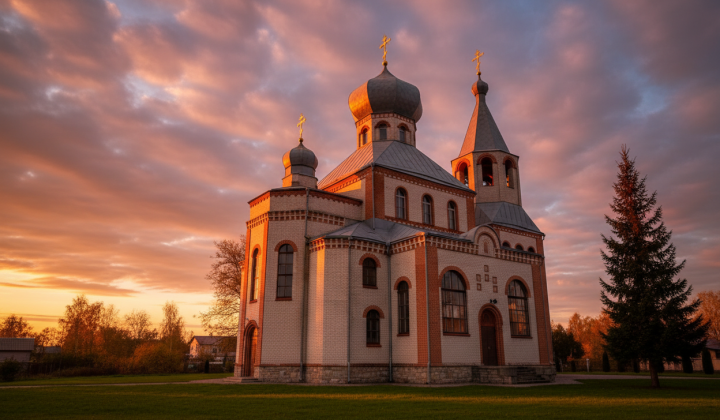
Makiivka Village Congregation Changes Jurisdiction
According to Главком: On April 9, the religious community in Makiivka village, Bilotserkivskyi district, Kyiv region, held a meeting. The congregation decided to leave the Ukrainian Orthodox Church (UOC) and join the Pereiaslav-Vyshneve eparchy of the Orthodox Church of Ukraine (OCU). Priest Andrii Boiko has been appointed as the rector of the newly aligned Holy Intercession parish.
A Widespread Trend of Parish Transfers
Since the start of Russia's full-scale invasion of Ukraine in 2022, a total of 1,387 religious communities have transferred their allegiance from the UOC to the OCU as of March 2026. This movement reflects a broader societal shift towards national religious institutions following the outbreak of war. The regions with the highest number of transitions are:
- Khmelnytskyi Oblast
- Kyiv Oblast
- Volyn Oblast
- Zhytomyr Oblast
- Vinnytsia Oblast
In Khmelnytskyi Oblast alone, 127 UOC communities joined the OCU in 2022, followed by 119 in 2023, 37 in 2024, and 12 in 2025.
These transitions are occurring amidst significant leadership changes within Ukrainian Orthodoxy. On March 20, Patriarch Filaret of Kyiv and All Rus-Ukraine passed away. Just one day later, seven bishops of the former Kyiv Patriarchate announced the election of a new patriarch-Archbishop Nykyfor of Sumy. These events highlight the ongoing realignment within Ukraine's religious landscape, driven by both the war and internal church governance.
The movement of parishes from the UOC to the OCU illustrates a major trend in Ukrainian religious life, reflecting a shift in the consciousness of believers who seek to affirm national independence and identity during wartime.
The election of a new patriarch is a critical part of this process, with the potential to further consolidate Orthodox Ukrainians and shape the future development of church structures in the country.
The ongoing shifts within Ukraine's religious communities are further underscored by recent decisions made by church leaders. For instance, Metropolitan Epifaniy has issued decrees transferring significant religious sites to the Orthodox Church of Ukraine, illustrating the broader trend of realignment among parishes in response to the current geopolitical climate. This movement not only reflects a changing landscape within Ukrainian Orthodoxy but also emphasizes the desire for a unified national identity amidst ongoing conflict.

Read also