Daylight Saving Time in 2026: The Clock Change and Its Global Context

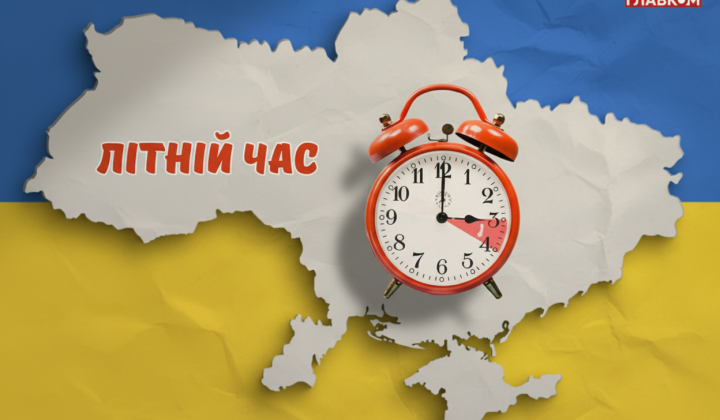
The Practice of Changing Clocks
According to Главком: Adjusting clocks for daylight saving time is a routine practice in more than 60 countries globally, including Ukraine. The concept of shifting time according to the season was first proposed by Benjamin Franklin in 1784. It was first implemented in Great Britain in 1908, with Germany becoming the first nation to officially adopt daylight saving time in 1916. In 2026, the switch to summer time in Ukraine will occur at 3:00 AM on the night of March 28 to 29.
History and Current Status in Ukraine
Ukraine began changing its clocks in 1981, following the practice already established in the republics of the USSR. A 1996 government decree formalized the rules, which state that clocks spring forward on the last Sunday in March and fall back on the last Sunday in October. Approximately 95% of Ukraine's territory lies within the UTC+2 time zone, with a time difference of about 68 minutes between its western and eastern regions. This biannual adjustment remains a topic of active debate. In 2021, the Ukrainian parliament failed to pass a bill to abolish the practice.
Discussions about ending the switch between standard and daylight saving time are ongoing. Since the start of 2021, European Union member states have been able to decide independently whether to continue the practice. Among the EU countries that still change their clocks are:
- Italy
- Spain
- France
- Poland
- Germany
- Netherlands
- Latvia
- Lithuania
- Estonia
- Finland
Conversely, several nations have abandoned the practice, including Iceland, Kazakhstan, Georgia, and Japan. Medical professionals note that health issues associated with the time change can include headaches, an increased risk of heart attack, the aggravation of chronic illnesses, and fatigue. The debate over seasonal clock changes remains a relevant issue both in Ukraine and worldwide.
"The debate over the usefulness of changing clocks continues in Ukraine, as many countries have already abandoned this practice, considering it unnecessary or even harmful to health." - Source unknown
In Ukraine, considering the problems linked to adapting to the time shift and the existing time zone differences within the country, the question of abolishing the seasonal change may lead to new political decisions. It is also important to consider that, within the context of globalization and integration with the European Union, legislative changes could affect various aspects of daily life for the population. The EU itself has been considering a permanent time system for years, adding another layer to the international discussion.
As the discussion around the biannual clock changes continues, it's essential to understand the implications of these adjustments on daily life. For instance, the recent attempt to halt the time switch in Ukraine has sparked widespread interest. To explore the reasons behind the unsuccessful legislation and its effects on citizens, you can read more about it in our article on Ukraine's transition to summer time.

Read also