Audits Target Employee Deferments: Scrutiny of Salaries and Reservations

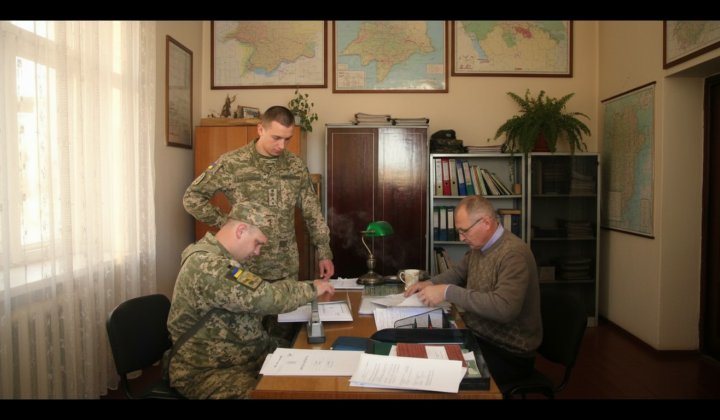
Audits of Employee Deferment Practices
According to ХВИЛЯ: Companies that have employees deferred from military service will now face inspections by commissions that include representatives from Territorial Recruitment Centers (TCC), the State Labor Service of Ukraine, and the State Tax Service. The primary goal of these audits is to assess the legitimacy of the deferments and to analyze the salary levels of the reserved employees. This heightened scrutiny comes as part of broader efforts to ensure fairness and compliance in the mobilization process.
These inspections will be conducted in accordance with Appendix 31 to Procedure No. 1487, which mandates that during checks of military registration status, the organization and validity of deferments, as well as their scope, must be reviewed. Inspectors will pay particular attention to the average accrued wages of insured persons and the specific salaries of those employees who have been granted deferments.
'They are interested in the size of the average accrued wages of insured persons, as well as the salaries of reserved workers.' Tetiana Donets, HR Expert, 'Kadroland' channel
A previous legal precedent saw a court cancel a fine for deferring an employee without a military medical commission (VLC) conclusion. The validity of deferments can be checked by the TCC, the ministries, or the administrations that originally made the criticality decisions.
Impact of Audits on Business
These audits could significantly impact businesses that have used employee deferments to avoid mobilization. Increased oversight by state authorities may lead to greater corporate accountability for legal compliance. For international observers, this reflects Ukraine's attempt to balance military needs with economic stability during wartime.
- If violations are uncovered, companies may face substantial financial penalties.
- This underscores the critical importance of transparency in matters of deferment and payroll.
Consequently, businesses should prepare meticulously for such inspections to avoid negative repercussions.
As businesses navigate the complexities of military deferments, it's essential to stay informed about new regulations affecting employee reservations. Recently, the Diia portal has introduced a system that streamlines the process for employees facing military registration challenges. This development complements the ongoing audits and underscores the government's efforts to maintain a balance between mobilization needs and workforce stability.

Read also