Caribbean volcano found to sit above potential metal deposit

Seismic Wave Analysis
According to НВ — Техно: Potential metal deposit found beneath Caribbean volcano
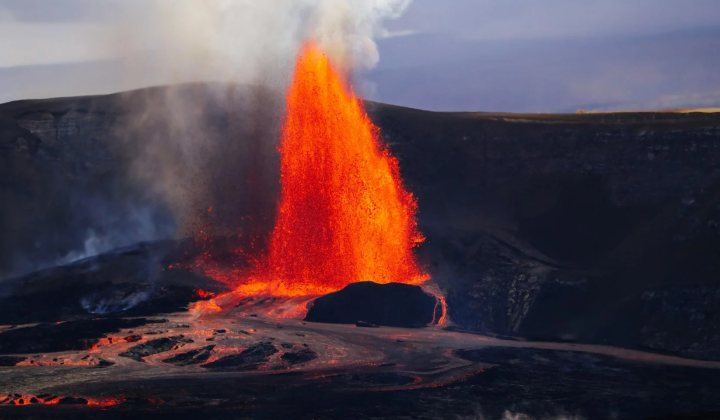
Scientists from Oxford University have identified what could be the beginnings of an ore body under Soufrière Hills, a volcano in the Caribbean. Using seismic records, they spotted a zone of hot, saline, metal-bearing fluid roughly 2 kilometers below the surface. The exact metal content and concentrations remain unknown at this stage.
The reservoir sits about 2 km underground. The team analyzed earthquake recordings gathered between 1996 and 2007 from 23 monitoring stations. By studying thousands of seismic waves, they constructed a three-dimensional picture of the volcano's interior.
Resources and Implications
This brine-saturated area spans about 1–1.5 km in width. Volcanic systems are capable of concentrating metals such as copper, zinc, lead, and others. Many known ore deposits are linked to old, dormant volcanoes, but the researchers note this feature is not a ready-made mine-it represents a possible early phase in ore formation.
No drilling was needed to make the discovery. The resulting map matches earlier models of the volcanic system. The survey also revealed a solid volcanic core, zones of hot geothermal fluids, and a clay-rich altered layer near the surface. According to the authors, similar approaches could aid the search for critical metals and geothermal energy sources, avoiding the need for extensive exploratory drilling.
That said, extracting resources directly from active volcanic systems remains technically difficult. Still, the finding is a meaningful advance in understanding mineral and geothermal potential in the Caribbean.
Locating this reservoir beneath Soufrière Hills marks a notable step in Caribbean geological research.
Seismic mapping of subsurface structures may become a standard tool in mineral exploration. The discovery underscores the value of non-invasive techniques that allow efficient resource assessment while lowering the risks associated with conventional drilling.

Read also