After the war, housing prices will soar multiple times: real estate market forecast

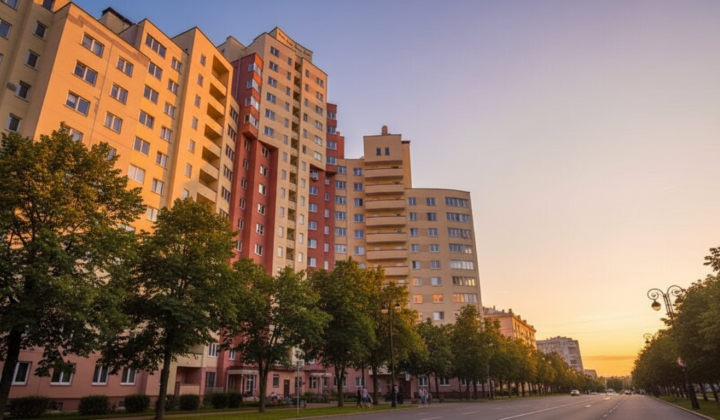
Increase in housing prices in Ukraine after the war
According to ХВИЛЯ: After the end of the full-scale war, housing prices in Ukraine may rise significantly. This is due to the activation of investments and the increasing cost of building materials. This opinion was expressed by Tetiana Tsarelunga, a lawyer and director of the real estate agency 'Harmony Real Estate'. She noted that currently the cost of building materials, labor, and construction works is constantly rising.
Housing prices in Ukraine had a single drop only in the first six months of the full-scale invasion, after which they stabilized and began to gradually increase. Tetiana Tsarelunga emphasized that
“housing prices are rising monthly by a certain amount. That is, there is no drop.”
She also added that
“currently prices are not falling, they are slowly rising. But after the war ends, we all understand that prices will certainly rise multiple times.”
State of the real estate market
The current state of the housing market shows that the secondary real estate market significantly outpaces new buildings in popularity. Among the popular cities for the secondary market are:
- Lviv
- Ivano-Frankivsk
- Uzhhorod
- Kyiv
Despite the fact that investors are currently afraid to invest their money, housing prices continue to rise. Tetiana Tsarelunga noted that
“most people are simply afraid to invest their money.”
Thus, against the backdrop of rising prices for building materials and the activation of investments, the real estate market in Ukraine after the war may experience a significant price surge. This may create new opportunities for property owners in the secondary market, while new buildings may find themselves at a disadvantage.
In conditions of stable price growth for building materials and labor, the real estate market in Ukraine is likely to regain its activity after the end of the war. This may lead to increased interest from investors, but it also requires caution from buyers. Property owners in the secondary market may take advantage of these changes, while new buildings may face certain challenges due to fluctuating demand.

Read also