Toll Roads in Hungary: Costs and Regulations

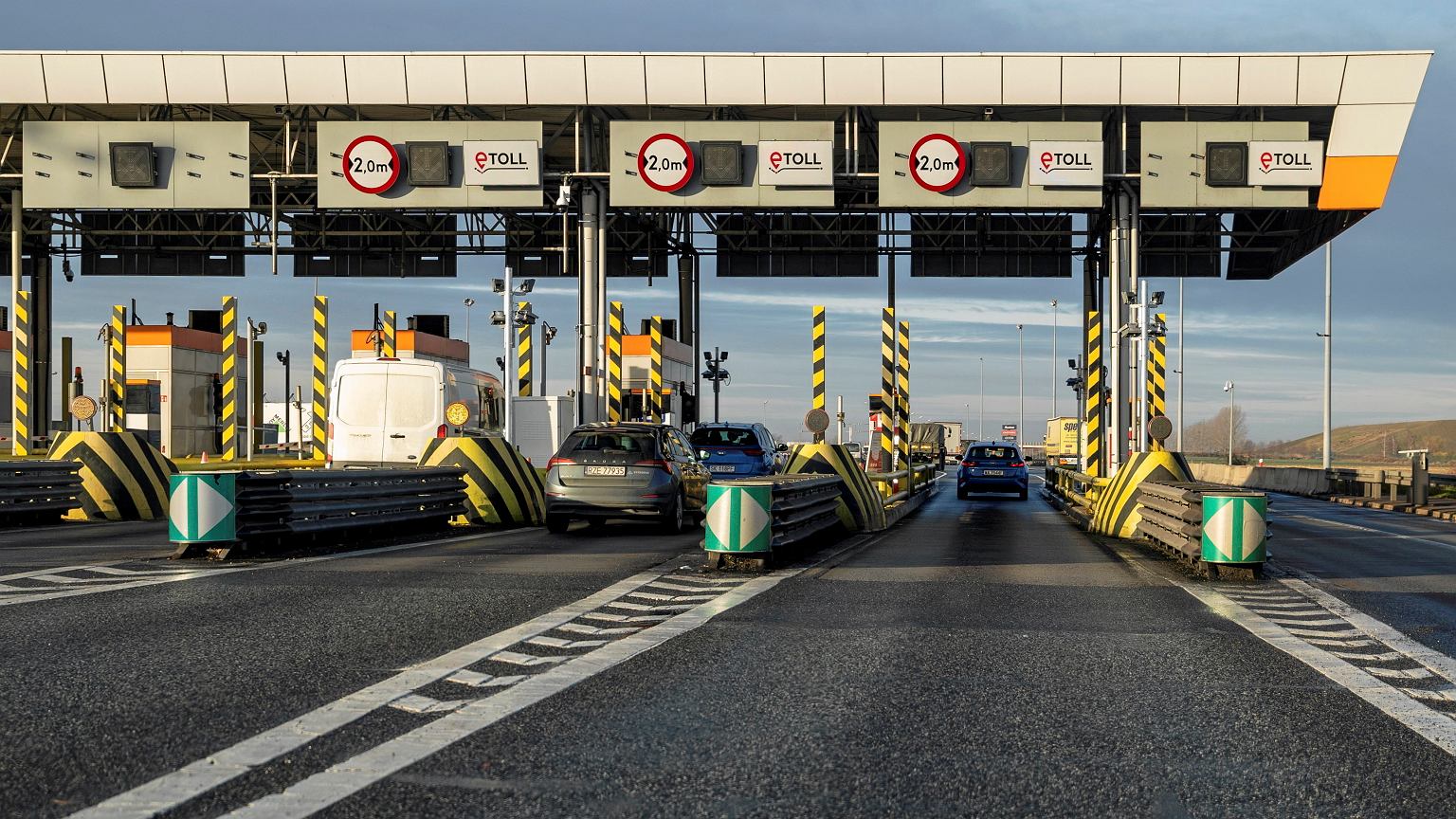
Hungary is quite a popular destination for Ukrainians. They choose this country for migration, studying, or employment. However, to integrate into this country, it is important to consider many important rules. For instance, what the toll road in Hungary is and how much you will have to pay.
How the Toll Road System Works in Hungary
Toll roads in Hungary are part of a road funding system that uses electronic vignettes for most passenger cars and certain other types of vehicles. Unlike a paper sticker, it is linked to the state registration number of the car, the country of registration, the tariff category, and the chosen validity period. Therefore, when purchasing, it is crucial to correctly enter all data: an error in the license plate, country code, or vehicle category may lead to an additional charge. In 2026, Hungary has updated tariffs for electronic vignettes, and in addition to national and regional permits, a separate regional option for the M1 motorway has been introduced.
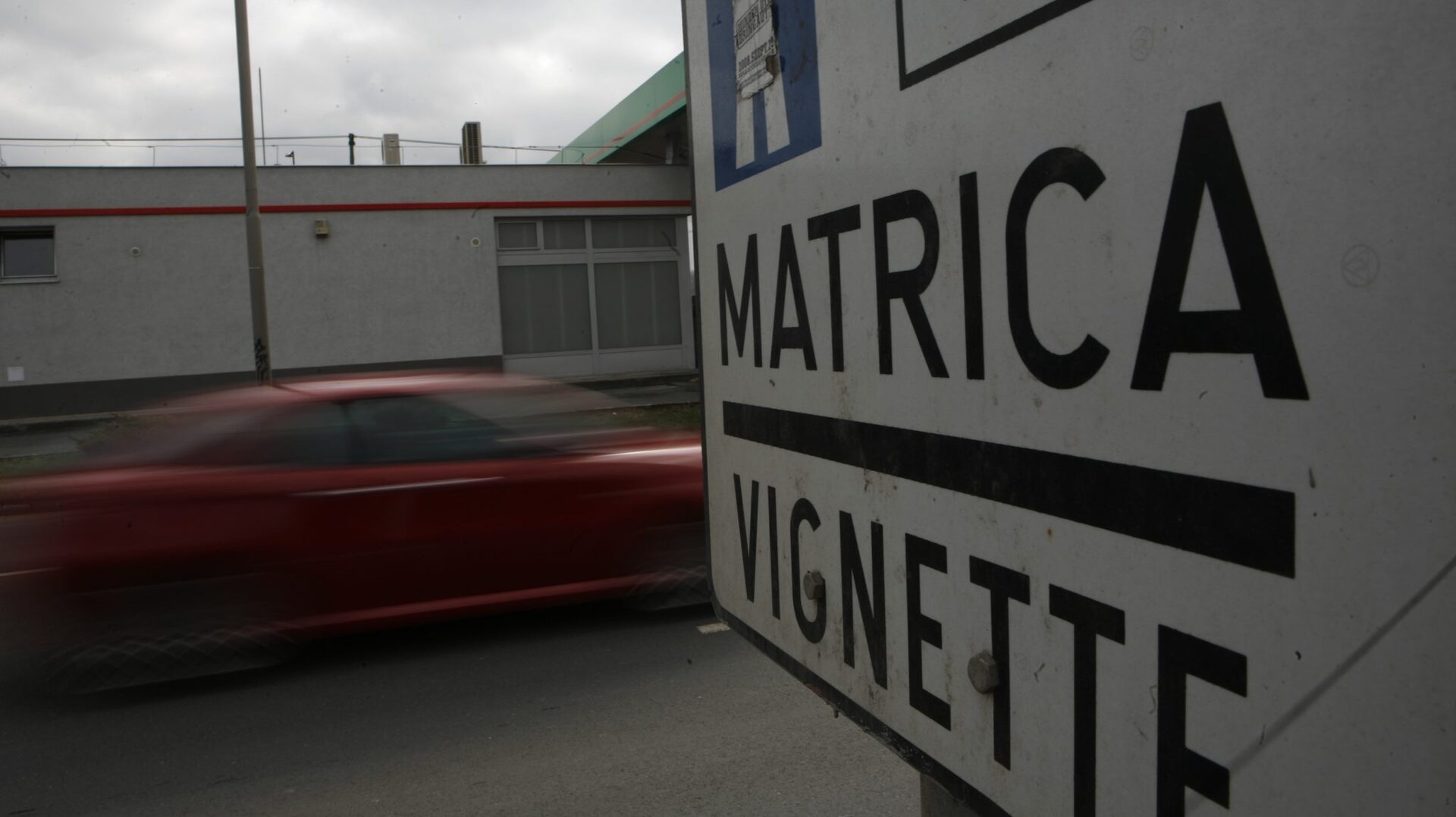
The system does not cover all roads in the country but applies to designated toll motorways and expressways. Before the trip, it is advisable to check the route and understand whether it passes through a section that requires a permit. For a regular trip in a passenger car, category D1 is most commonly used. If the car has a different design, a larger number of seats, or belongs to a different registration category, category D2 may apply. Separate rules apply to trailers, motorcycles, and vehicles that pay tolls under a different system.
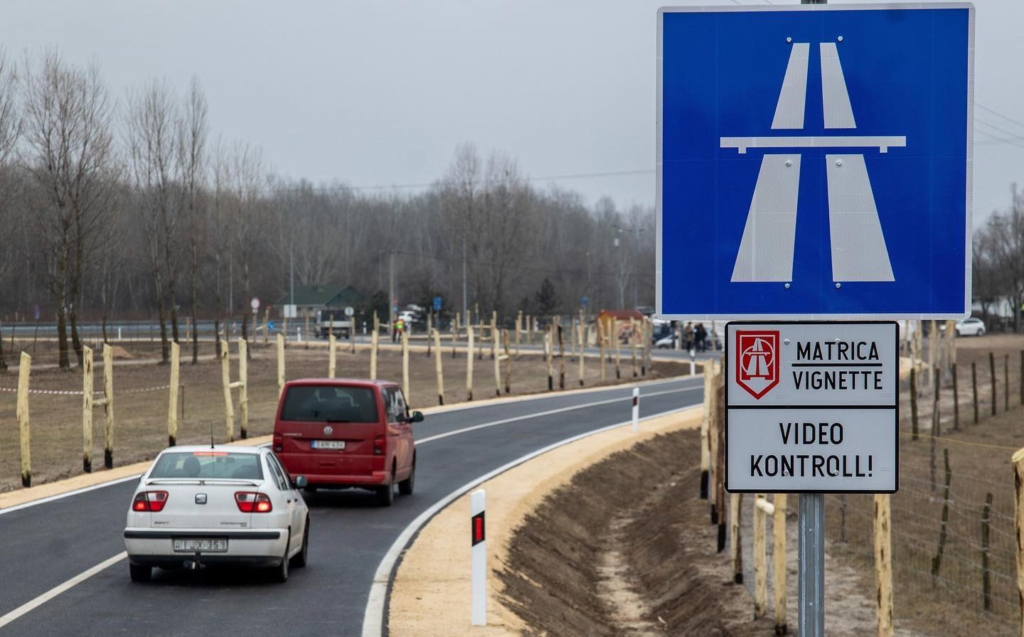
In Hungary, using toll motorways for vehicles covered by the electronic vignette system is based on prior purchase of a road usage permit. There is no actual stop at the payment point on the motorway. After purchase, the information about the permit goes into the electronic system, and control is carried out by the state license plate of the car.
Automatic cameras and mobile inspection units can check whether the vehicle has a valid permit. That is why the driver does not need to present a paper sticker on the windshield. At the same time, it is recommended to keep the purchase confirmation since it contains data about the vehicle number, category, validity period, and other parameters of the permit.
The main principle of the system is that the vignette must be purchased before using the respective toll section. If the purchase date and the start date coincide, the permit does not retroactively apply to the time until the registration is completed. For a one-day vignette, the specific calendar day mentioned during registration is essential. In the case of purchasing for a future date, it becomes valid from the beginning of that defined day, and if the purchase is made on the current day, the right to use arises from the moment the payment is successfully completed.
The tariff category is determined by the characteristics of the vehicle. For a passenger car, it is not enough to rely solely on its appearance or the actual number of passengers in the cabin. Official data from the registration document is important, including the vehicle type, permitted maximum weight, and number of seats. For category D1, the main features are a passenger car up to 3.5 tons designed to carry no more than seven people including the driver. If the vehicle does not meet the D1 criteria, category D2 may apply.
In 2026, a separate category D1M for short-term permits is used for motorcycles. Annual national and regional vignettes for motorcycles are issued at the D1 tariff. For trailers towed by vehicles of category D2 or B2, category U is provided. It is issued separately, therefore having a permit for the car does not always mean that the trailer also has the right to use the toll road.
For the driver, it is fundamentally important to check not only the fact of purchase but also the compliance of all entered parameters. If D2 has been purchased instead of D1 and the vehicle actually belongs to D2, this may be considered as using the wrong tariff category. Such consequences can also occur if there is an error in the license plate or an incorrect state code specified.
The system also provides for regional annual permits. They are intended for use on paid expressways within a specific area. This option may be practical for people who regularly use the same sections and do not need access to the entire toll network of Hungary.
In 2026, the M1 regional vignette has been separately introduced. It covers the toll network of four areas related to the M1 route: Pest, Fejér, Komárom-Esztergom, and Győr-Moson-Sopron. For category D1, D1M, and U, its cost is 15,000 forints, for D2 - 30,000 forints. This permit is annual and was introduced as a separate product in 2026.
It is also necessary to consider that large freight vehicles and certain buses do not fall under the standard e-vignette system. For vehicles that are subject to the remote HU-GO system, the toll is calculated under different rules. Therefore, before purchasing a vignette, it is necessary first to determine the vehicle category.
What is an Electronic Vignette
An electronic vignette is a digital permit for using designated toll roads. Its feature is that the driver does not receive a physical sticker. After payment, the vehicle data is registered in the electronic database, and control is carried out by the registration number.
When purchasing, it is necessary to specify the vehicle number, the country of its registration, the corresponding tariff category, and the validity period. For a regional vignette, the area to which the permit applies is additionally determined. All these data must correspond to the vehicle's registration documents.
The electronic form simplifies using toll roads but simultaneously emphasizes the importance of the accuracy of the information entered. If the vehicle number is written incorrectly, the camera may not be able to match the vehicle to the purchased permit. Even a minor error can lead to additional charges if it alters the vehicle's identification. At the same time, Hungarian rules provide for procedures for correcting certain errors, including in some cases allowing corrections of up to three characters of the license plate.
The vignette has a specific validity period. A one-day vignette is valid for the defined calendar day. A ten-day vignette covers the day of commencement and the following nine calendar days. A monthly vignette is valid from the specified date until 24:00 hours of the corresponding day of the next month, and if there is no such date in the next month, until the last day of that month.
An annual national vignette is valid for the corresponding year but its actual period of use is extended until January 31 of the following year. This rule is important for planning trips at the beginning of the year. A regional annual vignette also has a validity period until January 31 of the following year.
If the vignette is purchased in advance, a future start date can be chosen during registration. If the driver purchases it on the day of travel, the right to use the toll road arises only after the operation is completed, not retroactively. Therefore, it is advisable not to first drive onto the toll motorway and then arrange for the permit.
A specific feature of the Hungarian system is the ability to purchase not only a nationwide vignette but also a regional one. For a driver who regularly uses the same route throughout the year, a regional permit may be sufficient. If the route crosses several areas, it is necessary to either purchase the relevant regional permits or choose a national vignette.
In 2026, the tariff system also includes special reduced annual products. In particular, there is a separate reduced annual tariff for the Borsod-Abaúj-Zemplén area, and a special annual vignette is provided for the M1 region. Their use depends on the specific route and vehicle category.
An electronic vignette does not need to be printed for presentation at each toll section. However, it is advisable to keep the payment confirmation for the period specified by the rules, as it may be needed in case of a disputed situation or technical error.
What Types of Vignettes are Available
In 2026, the system provides several terms and territorial options. The main types can be divided into national, regional, and special preferential products.
For passenger cars of category D1, the following are available:
- one-day national vignette;
- ten-day national vignette;
- monthly national vignette;
- annual national vignette;
- annual regional vignette;
- special M1 regional vignette;
- under certain conditions - reduced annual vignette for Borsod-Abaúj-Zemplén.
The one-day option is primarily intended for a short trip when the use of the toll network is limited to one day. A ten-day permit is convenient for tourist or business trips lasting up to ten calendar days. The monthly option is suitable for longer stays when purchasing an annual permit is impractical.
The annual national vignette allows use of the entire network of toll roads to which the e-vignette system applies during the defined period. The regional annual vignette is limited to toll expressways in the specific area.
For category D2, the same basic terms apply - one day, ten days, a month, and a year, but prices are higher. The regional annual permit for D2 also has a separate price. D2 may include, in particular, vehicles carrying more than seven people, some freight vehicles up to 3.5 tons, and certain motorhomes depending on their registration characteristics.
For motorcycles, D1M is used. In 2026, a one-day vignette D1M costs 2,770 forints, a ten-day one - 3,450 forints, a monthly one - 5,590 forints. Annual permits for motorcycles are issued at the D1 category, so the relevant annual tariffs D1 apply to them.
The U category is used for trailers of D2 and B2 vehicles. In terms of terms and prices, it corresponds to D1 for the respective electronic permits: 5,550 forints for a day, 6,900 forints for ten days, 11,170 forints for a month and 61,760 forints for an annual national vignette.
The choice of the type of permit depends not only on the duration of the trip. The territorial route is also important. If the trip only goes through one area, an annual regional vignette may be sufficient. If the vehicle regularly crosses the country and uses highways in different areas, a national option provides broader coverage.
In 2026, prices for the main categories are as follows:
D1:
- 1 day - 5,550 forints;
- 10 days - 6,900 forints;
- 1 month - 11,170 forints;
- 1 year nationwide - 61,760 forints;
- 1 year regionally - 7,190 forints;
- M1 regional - 15,000 forints.
D2:
- 1 day - 7,890 forints;
- 10 days - 10,040 forints;
- 1 month - 15,820 forints;
- 1 year nationwide - 87,650 forints;
- 1 year regionally - 14,370 forints;
- M1 regional - 30,000 forints.
D1M:
- 1 day - 2,770 forints;
- 10 days - 3,450 forints;
- 1 month - 5,590 forints.
U:
- 1 day - 5,550 forints;
- 10 days - 6,900 forints;
- 1 month - 11,170 forints;
- 1 year nationwide - 61,760 forints;
- 1 year regionally - 7,190 forints;
- M1 regional - 15,000 forints.
All the prices mentioned are amounts inclusive of value-added tax. They are valid from January 1, 2026. When planning the budget, it is also worth considering possible commissions of a specific payment service if the purchase is made not directly through the official channel.
Where to Buy a Vignette
An electronic vignette can be purchased through official online services that work with the Hungarian road toll system. Online purchase allows you to arrange the permit before the trip and immediately receive confirmation of the operation.
During registration, it is essential to carefully check several parameters. First of all, these are the license plate, the registration country code, the tariff category, the start date of validity, and, for the regional permit, the specific area. It is better to correct mistakes as soon as they are discovered rather than wait for a road inspection moment.
A vignette can also be purchased through authorized payment channels and the corresponding service points. In 2026, administrative issues regarding e-vignettes and surcharges are handled by the Toll Division Hungarian Public Roads Nonprofit Plc. You can contact them via phone, video, or electronic channel, and some operations are available at service offices.
For a driver traveling from abroad, the most convenient option is usually online registration before entering the Hungarian toll motorway. This allows you to select the start date in advance and verify the accuracy of the entered data.
When purchasing, you should not focus only on the price. First, you need to determine the vehicle category. For example, a vehicle with more than seven seats may belong to D2, even if its appearance resembles an ordinary passenger car. For cars with trailers, it is also necessary to determine whether a separate U permit is required.
After a successful payment, it is advisable to keep the electronic confirmation. In it, it is better to check all data at once. If an incorrect license plate, category, or country code is detected, specific situations have defined correction procedures. In 2026, the official system provides for correcting some errors in the license plate, as well as changing the category following established procedures.
It is especially important not to purchase a vignette after entering the toll road, hoping that a short delay will not matter. Electronic control records the fact of using the road, and the permit purchased later does not have retroactive validity.
If several trips are planned throughout the year, it is advisable to compare the costs of short-term and annual options. For a regular route, a regional permit may sometimes be more practical, while national vignettes provide broader territorial coverage for journeys through different parts of Hungary.
How Much Does It Cost to Use Toll Roads
The cost of using toll roads in Hungary in 2026 depends on the vehicle category, the duration of the trip, and the area for which a permit is needed. For most passenger cars in category D1, the main benchmarks are 5,550 forints for one day, 6,900 forints for ten days, 11,170 forints for a month, and 61,760 forints for an annual national vignette.
A one-day vignette does not mean 24 hours from the moment of purchase. It is tied to the calendar date. If the permit is arranged for the current day, it is valid from the moment of purchase until the end of that day. If registration is made in advance for a future date, the vignette will be valid for the defined calendar day.
A ten-day vignette takes effect from the chosen date and includes nine subsequent calendar days. Therefore, the term 'weekly' may be misleading: the actual period is ten days.
A monthly vignette is valid from the start date until 24:00 hours of the corresponding day of the next month. If there is no corresponding date in the following month, the term ends on the last day of that month.
An annual national vignette has the longest validity period. For 2026, it is valid until January 31, 2027. However, purchasing in the middle of the year does not mean that the term is extended for twelve months from the date of purchase. The annual permit is tied to the calendar year.
The annual regional permit for D1 costs 7,190 forints. It can be used on toll expressways in the respective area. In the case of regular trips on one route, this payment form may be more advantageous than several short national permits, but specific selections depend on the number of trips and their geography.
For D2, prices are higher: 7,890 forints for one day, 10,040 forints for ten days, 15,820 forints for a month, and 87,650 forints for an annual national vignette. The annual regional permit D2 costs 14,370 forints.
In 2026, M1 regional is a separate option for the toll network of four areas. The price for D1, D1M, and U is 15,000 forints, and for D2 - 30,000 forints. This product is linked to the regions along M1 and was introduced as a special annual permit.
A reduced annual rate for Borsod-Abaúj-Zemplén has been established separately. For D1, D1M, and U, it is 2,500 forints, and for D2 - 5,000 forints. Its use must correspond to the territorial conditions of the specific regional permit.
When choosing a vignette, it is important not to compare only nominal prices. For example, a cheap regional permit does not replace the national if the route goes beyond the respective area. Similarly, M1 regional should not be considered a universal substitute for the national vignette: it has defined territorial coverage.
For motorcycles, prices are lower. A one-day D1M in 2026 costs 2,770 forints, a ten-day one - 3,450 forints, a monthly one - 5,590 forints. Annual permits are issued at the D1 tariff.
All prices are set in Hungarian forints. When paying with a foreign bank card, the actual amount charged will depend on the exchange rate and the bank's terms. If a third-party service is used, there may also be a service fee, so to calculate the costs accurately, it is necessary to consider not only the official rate.
How to Check the Validity of a Vignette
Checking the validity is necessary not only after purchase. It is especially important before a trip if the vehicle already has an annual or regional permit purchased earlier. In case of doubt, it is better to check the data in advance than to rely on memory or an old purchase notification.
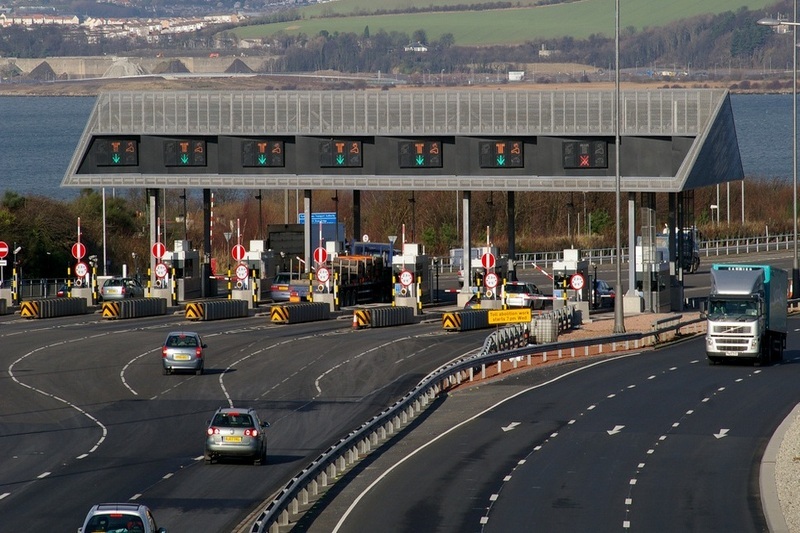
The first source of information is the purchase confirmation. It specifies the registration number, the vehicle category, and the validity period of the permit. If the notification was lost or damaged, the Hungarian system provides for a procedure for checking the existing permit through the service.
When self-checking, it is necessary to carefully match the vehicle number with the one for which the vignette is registered. It is also necessary to check the country code. For a foreign vehicle, it must correspond to the country of registration. The presence of the correct date by itself does not guarantee the validity of the permit if the number or country was entered incorrectly.
The validity period can also be assessed by the type of vignette. For a one-day, a specific calendar date is important. For a ten-day, ten consecutive calendar days must be counted from the start date. For a monthly - the start date and the corresponding date of the next month. An annual permit purchased for the year 2026 is valid until January 31, 2027.
If the vehicle changed its state number during the validity period of the permit, the situation needs to be resolved separately. Hungarian rules provide for the possibility of re-registering the permit under certain conditions. A similar procedure also exists in case of theft or total loss of the vehicle when a valid permit can be transferred to another vehicle according to the established rules.
If the vignette was issued for the wrong tariff category, in some cases it can be corrected during the validity period. This does not mean that any mistake is automatically annulled. Each situation is considered according to the system's rules, and under certain circumstances, the obligation to pay the difference or additional charge may arise.
Before a long trip, it is advisable to verify the permission directly before departure. This is particularly relevant for drivers who frequently travel around Hungary or use a car with a trailer. Keeping the saved purchase confirmation in electronic form is also advisable.
If a driver finds that the vignette has expired, they should not continue to move on the toll section until a new permit is issued. A new vignette covers future usage of the road according to its validity period but does not automatically cancel any previously recorded offense.
What Penalties Are Provided for Lack of a Vignette
Using a toll road without a valid electronic vignette in Hungary results in a special charge for unauthorized use of the road network. In 2026, the basic additional charge is 27,790 forints if paid within 60 days. If the 60-day deadline is missed, a higher amount applies - 95,730 forints.
The additional charge may arise not only when the vignette was not purchased at all. Reasons can include the wrong vehicle category, an error in the state number, an incorrect country code, or a situation when the permit's validity period has not yet started or has already expired.
A separate surcharge applies when a lower tariff category has been purchased for the vehicle than that which actually corresponds to its characteristics. In 2026, the difference is 15,530 forints if paid within 60 days and 49,190 forints if paid after this period.
If a permit of a higher category than is necessary for a particular vehicle has been purchased, there is no surcharge for the mere fact of an incorrect but higher category. At the same time, overpayment for a more expensive permit does not guarantee an automatic refund.
Control is carried out by automated cameras, mobile inspection units, and other authorized means. The system matches the vehicle's number with data about the valid permit. Therefore, the absence of a physical barrier or payment point does not mean the absence of control.
It is important to remember that purchasing a vignette after traveling through a toll section does not guarantee avoiding the additional charge. If the road utilization has already been recorded without a valid permit, later purchase does not make the previous trip legal.
In case of receiving a notification about the additional charge, it is advisable to check all data: vehicle number, category, date, and time of the violation, validity period of the purchased vignette. If the permit was indeed valid but there was an error in the system or documents, procedures for contacting customer service are provided.
Hungarian rules also provide for separate mechanisms for resolving cases with several additional charges. Under certain conditions, it is possible to limit the sum to the level of two basic or differentiated additional charges. There is also a procedure for reducing additional charges when a specified number of basic additional charges is paid under established conditions. These mechanisms do not operate automatically but follow the corresponding procedure and under the necessary conditions.
Another provided mechanism is linked to purchasing an annual national vignette. In certain cases, the obligation to pay an additional charge can be settled by purchasing an annual permit and submitting it within the established time frame. This does not mean the general cancellation of penalties for any driver since the application of the procedure depends on the specific situation and current rules.
If the vehicle has a trailer category U, it is necessary to check the permits for both the vehicle and the trailer, if one is provided for such a combination. The lack of a permit for the trailer may result in additional charges even if the towing vehicle has a valid vignette.
To avoid unnecessary expenses, before entering the Hungarian motorway, it is advisable to sequentially check three things: whether the route is tolled, which vehicle category applies, and whether the validity period of the purchased vignette has started. After the purchase, the license plate and country code should also be verified. Such a check takes significantly less time than resolving the additional charge later.
It is important to also consider the payment deadline for the charged amount. The difference between the basic and increased additional charges in 2026 is significant: 27,790 forints versus 95,730 forints. Therefore, the received notification should not be ignored, even if the driver plans to dispute the situation. It is necessary to act within the established procedures and timelines.
Proper registration of the electronic vignette remains the main condition for the legal use of Hungary's toll motorways. For most passenger cars in category D1, in 2026, a short-term permit starts from 5,550 forints for one day, while the annual national costs 61,760 forints. The choice between daily, ten-day, monthly, annual, and regional options depends on the route and trip frequency. The most important practical rules remain the correct determination of the category, accurate entry of the license plate, and timely purchase before entering the toll section.
Conclusion
The toll road system in Hungary in 2026 operates primarily through electronic vignettes, which are linked to a specific vehicle. The driver does not need to buy a paper sticker or stop at a payment point: the right to use the toll road is confirmed by an electronic record, which is checked by the state number.
For most passenger cars, the main category is D1. In 2026, the basic rates for it were set at 5,550 forints for one day, 6,900 forints for ten days, 11,170 forints for a month, 61,760 forints for an annual national permit, and 7,190 forints for an annual regional permit. For category D2, the rates are higher, and for motorcycles, a separate category D1M applies.
A key feature of 2026 is the introduction of the M1 regional vignette, which covers the toll network of four areas. Its cost for D1 is 15,000 forints, and for D2 - 30,000 forints. A separately reduced regional rate for Borsod-Abaúj-Zemplén is also in effect.
The most common problems arise due to the wrong tariff category, errors in the license plate, country code, or using the road before the vignette's validity starts. For lack of a valid permit in 2026, a basic additional charge of 27,790 forints is provided for payment within 60 days and 95,730 forints after this period. Therefore, checking the data immediately after purchase is an important part of trip preparation.
For a short trip, the ten-day or one-day vignette is usually sufficient, while regular trips in one region may justify choosing an annual regional permit. If the route crosses different areas of the country, it is essential to consider the territorial coverage and select a permit that corresponds to the entire planned route.
In any case, before moving to a new country, it is worth learning about all the main rules concerning toll roads or parking, as well as the relevant penalties for violations of these rules.

Read also