Why You Shouldn’t Buy Used Tires: What You Need to Know

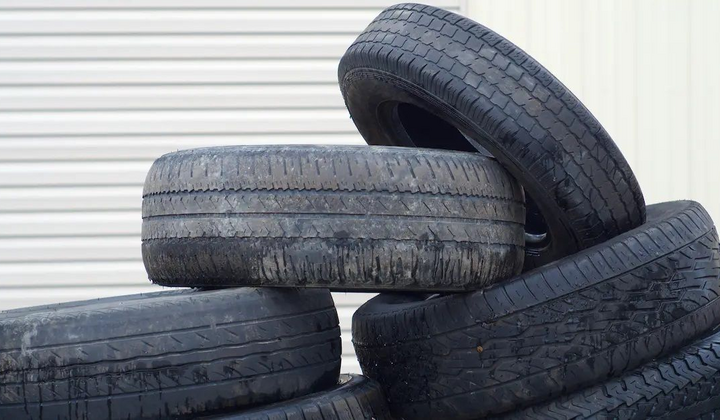
Choosing used tires is not the best decision. Don't forget about the risks; even considering all the precautions taken by the buyer, it's possible to come across tires that are no longer suitable for use. One cannot exclude internal damage that cannot be detected with the naked eye - hidden cracks, abrasions, and disruptions to the integrity of the rubber layer. All these defects can manifest unexpectedly, for example, while driving at high speeds. This inevitably leads to an accident. There are other reasons to avoid purchasing used tires.
Trust, but Verify
Many modern workshops can restore tires after almost any damage. However, this does not mean that they will be sufficiently reliable in operation. That’s why professional assessment of tread wear and overall rubber condition is essential, even if you are buying tires from a reputable dealer. This way, you will protect yourself from purchasing used tires that are presented to you as new. It's also worth conducting a visual inspection of each tire yourself - perhaps repairs have been made that could mask visible defects.
During the inspection, it is mandatory to mount the tire on a rim and check it for tightness by inflating it. If bulges, leaks, and other damages do not appear during this process, it is a sign that the tire meets quality standards and will be safe for use.
But there are also more hidden details that are not so easy to detect. Therefore, the tire should be inspected more thoroughly. A more detailed examination may reveal a number of defects that are not immediately apparent.
Hidden Threat
Non-obvious defects in the tire, which is being sold to you as new, should include, for example, patches on the inner or sidewall of the tread. Such patches cover the sites of punctures or other more serious defects that can lead to ruptures and other damages at any moment, especially if there are many of such patches.
Signs of vulcanization on the inner surface of the tire will also indicate that the model is used. A special sealing paste is used for vulcanization, which, on one hand, helps restore the tread surface, but on the other hand, can reduce the operational properties of the tire. Traces of this paste are visible to the naked eye but are very difficult to remove.
Be sure to check the tire for microcracks. These seemingly minor damages indicate improper storage of the rubber, which can also affect new tires stored improperly in warehouses. This means that the compound is in poor condition - it has lost elasticity and become more brittle. Such tires should not be used for driving.
One should also take into account the tire's wobble. The tire needs to be placed on a balancing machine - this effect should not occur. If it does, it means that the rubber has bulges or other damages that lead to an imbalance of the tire. This is also a signal that the tire should not be purchased - it may damage the suspension and cause an accident while driving.
Finally, be sure to examine the markings on the sidewalls of the tire. This will help you know the exact year of manufacture. Like any other product, tires have expiration dates - over time, the rubber dries out and loses its key properties. Among the inscriptions on the sidewall, look for an oval window with four digits. The first two represent the week number of the year, the second two represent the year itself. For example, 2512 means the 25th week of 2012. As is known, the maximum shelf life of rubber is no more than 5-7 years. Before the year 2000, a different labeling system was adopted for the manufacturing date. Therefore, if you do not see an oval window with digits on the tire sidewall, it means that this rubber should have been recycled long ago and is unsuitable for use.