Ukraine’s Heatwave Breaks as a Cold Snap Moves In

Cooler Weather Arrives in Ukraine
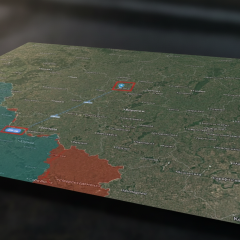
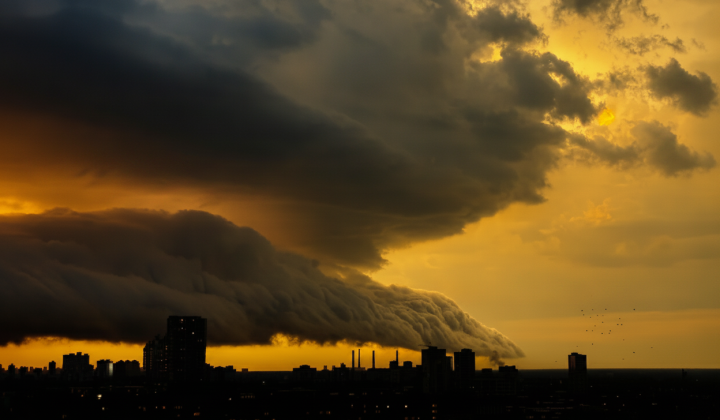
According to Главком: A dramatic shift in weather patterns has brought relief to Ukraine after an intense period of extreme heat that gripped the country in late June and early July. Starting over the weekend, a cool air mass accompanied by atmospheric fronts swept in from the west, moving eastward. By July 4, daytime temperatures across most regions had dropped to between +20°C and +25°C, though the south still saw highs of +29°C. On Saturday, eastern areas briefly peaked at +31°C. However, by July 5, the cooler air had reached the eastern regions, bringing with it thunderstorms, heavy downpours in some places, and strong wind gusts.
In western Ukraine, precipitation is expected only in the Volyn and Rivne regions. While temperatures are forecast to rise again by mid-next week, meteorologist Nataliia Didenko warns that a new wave of heat will primarily affect the south and east.
“The next heatwave is expected to peek through around the middle of next week,”
she notes.
Air Quality Improves with the Cold Front
The arrival of cooler weather has had a notable positive impact on air quality. In late June, Kyiv and its suburbs were blanketed by thick smog caused by the combination of high temperatures, windless conditions, and forest fires in the Chornobyl exclusion zone. Hazardous pollution levels were recorded in parts of Kyiv, Brovary, and Vyshhorod. Fortunately, the winds accompanying the cold front have helped disperse the polluted air over the capital.
Despite the current cool spell, temperatures in some regions exceeded +37°C in late June, and warmer conditions are expected to return early next week. On July 4, Didenko described the weather in the capital as “a wonderful +23, +24 degrees Celsius” during the day, signaling a gradual improvement in conditions.
This shift in Ukraine’s weather highlights the cyclical nature of the country’s climate, where extreme temperatures are often followed by cooling periods. Such fluctuations can have both positive and negative effects on ecosystems, agriculture, energy resources, and public health. As meteorologists continue to monitor the situation, it remains important to stay updated on forecasts, as temperature swings may impact crop yields, power grids, and overall well-being.
As the cooler weather settles in, it serves as a brief respite from the extreme heat that previously enveloped the country. However, forecasts indicate that the temperatures could soar once again, particularly in the western and central regions. To understand how these fluctuations are impacting daily life and what to expect in the coming days, read more about the upcoming rise in temperatures in western and central Ukraine.

Read also