Poland Accuses Ukraine of Fascism Over UPA Endorsement

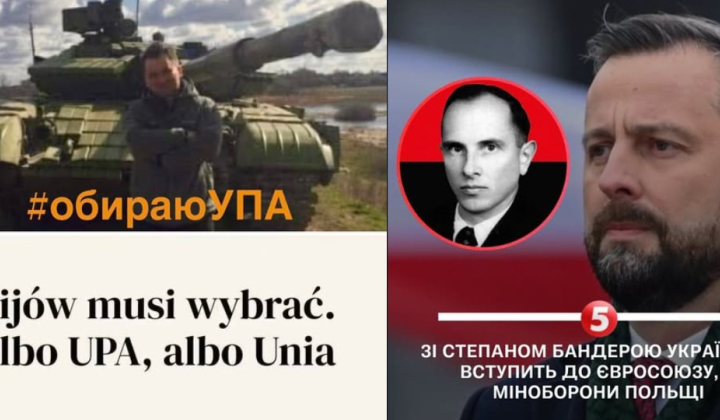
The Making of the Stepan Bandera Myth
According to Radiotrek — Світ: This piece explores how Soviet and Polish propaganda shaped the myth surrounding Stepan Bandera. The author criticizes Polish reactions to posts using the hashtag #IChooseUPA, noting that commenters have called Ukrainians 'Banderite pigs' and expressed opposition to their EU membership. Poland levels accusations of fascism and Nazism while simultaneously regarding its own historical operations-such as the Pacification and Operation Vistula-as non-fascist.
Modern Challenges and Historical Stereotypes
For western Ukraine in the 1940s and 1950s, Bandera may have existed as a kind of myth. Soviet and Polish propaganda amplified that myth dramatically, shaping how Poles view Ukrainians today. After posts with the hashtag #IChooseUPA appeared, Polish commentators labeled the authors 'Banderite pigs,' revealing deep hostility. Poland claims that supporting the UPA is a sign of fascism and Nazism, while conveniently overlooking its own historical campaigns, including:
- Peasant Battalions
- Home Army
- Settlement of military colonists
- Pacification
- Operation Vistula
The author points out that Ukraine attempted to align with the EU and NATO to shield itself from aggressive neighbors. However, neither NATO nor the EU rushed to make decisions-a delay that, according to the author, contributed to the ongoing war on Ukrainian soil, now in its twelfth year. In this context, Poland has been issuing ultimatums to Ukraine, highlighting the strained bilateral relationship.
'Our heroes are created by our enemies.'
At one point, Putin forced us to choose: either the taiga alliance or war. 'We tried to choose the European Union and NATO to avoid both the taiga alliance and war,' the author stresses. At the same time, he emphasizes: 'We will not give up our interests and identity in the face of the Rashists! The Rashists themselves will sooner vanish like dew in the sun!' These words reflect Ukrainians' determination to defend their identity and pursue European integration.
The situation described in the text highlights the complex historical and political relations between Ukraine and Poland, as well as the importance of shaping national identity amid external challenges. Propaganda stereotypes rooted in the past continue to influence modern bilateral relations, complicating dialogue and cooperation. Meanwhile, Ukraine's drive for European integration and identity protection grows ever more urgent against the backdrop of today's geopolitical realities.
In light of escalating tensions, it's important to consider recent territorial claims made by Poland against Ukraine. These developments reflect a broader context of historical grievances and current geopolitical dynamics that continue to shape the relationship between the two nations. Understanding these complexities is crucial for grasping the full picture of the ongoing conflict and its implications for regional stability.

Read also