Trump's Iran Strategy: How a Failure to Build Alliances Undermined U.S. Efforts

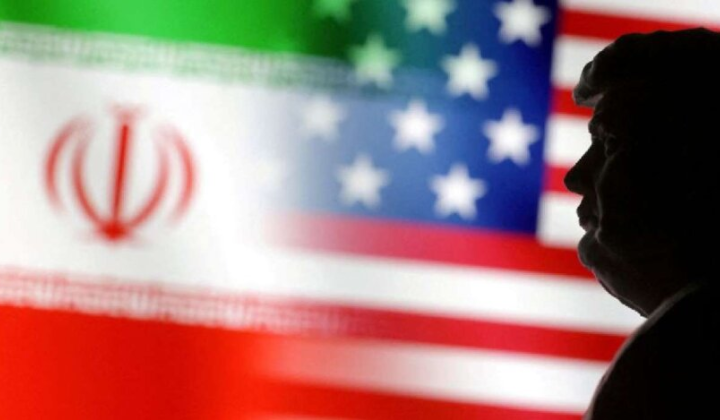
An Analysis of the Trump Administration's Approach to Iran
According to ХВИЛЯ: Middle East expert Mohammad Farajallah, speaking on political analyst Yuriy Romanenko's program, critiqued the actions of Donald Trump's administration during its military campaign against Iran. Farajallah noted that the White House rejected forming an international coalition, a decision which damaged relations with key partners and led to the dismissal of advice from Pentagon military leadership. This approach stands in stark contrast to the careful alliance-building seen in past U.S.-led conflicts in the region.
Farajallah highlighted Trump's critical error in misjudging Iran's resilience, pointing out that Pentagon discussions proceeded as if they were dealing with the regimes of Saddam Hussein or Muammar Gaddafi.
“The discussions at the Pentagon went as if they were dealing with the regimes of a Saddam Hussein or a Gaddafi. Now, thanks to Trump, the military understands: no, this is a completely different regime, and it requires a different, more systematic approach,”
the expert emphasized.
The Consequences of Strategic Errors
Farajallah further stated that Trump ignored military warnings about campaign methods from the outset.
“Trump made a huge number of mistakes from the very beginning by not heeding the military's warnings about campaign methods. He burned bridges with everyone, including European and NATO allies,”
he noted.
The expert stressed that Trump's relationships with partners were wildly unpredictable:
- “He lavishes partners with the warmest praise one moment, then openly humiliates them the next.”
- “Because of this, Trump ruined relations with the most important players in this conflict-Arab countries and NATO states.”
Farajallah also touched on Trump's conflict with the Pope, calling it the 'most foolish decision.' He noted that 'the Vatican's influence is far greater than it seems,' and this move alienated Trump from Christian communities within the United States. In the expert's view, during the war with Saddam Hussein, an alliance was carefully assembled over years, persuading Arab countries, securing a UN Security Council resolution, and gaining NATO support.
“But Trump decided to disregard everyone, believing he could do everything on his own,”
he concluded.
These expert comments can be viewed in a YouTube video titled 'Trump всіх переміг. Мохаммад Фараджаллах, Юрій Романенко, Хусам Раад.'
Farajallah's conclusions regarding the Trump administration underscore the critical importance of international cooperation and heeding military counsel in foreign policy. Diplomatic failures can have long-lasting repercussions, reinforcing the need for a systematic approach to complex geopolitical situations. Learning from the experiences of past military campaigns is essential to avoid repeating similar strategic errors.
As the implications of Trump's approach to Iran unfold, it's essential to consider the broader geopolitical landscape. For instance, the recent halt of military supplies from China to Iran reveals a strategic shift that could further complicate U.S. efforts in the region. Understanding this dynamic is crucial for grasping the complexities involved in international relations today. To learn more about the U.S. strategy behind this significant change, see the analysis on China's military aid to Iran.

Read also