How Moderate Solar Panel Shading Boosts Cranberry Moisture Retention and Heat Protection

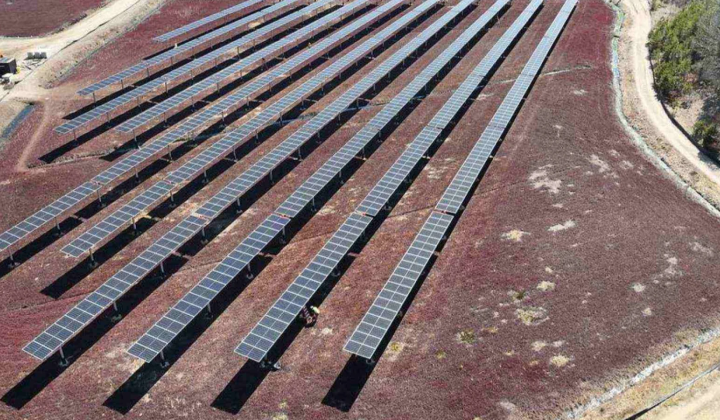
Agrovoltaic Research Conducted on a Commercial Cranberry Farm
According to НВ — Техно: A study at a commercial farm in Plymouth has revealed that shading cranberry crops with solar panels covering 30-35% of the area improves moisture retention and shields the plants from excessive heat. However, when shading exceeds 35%, the quality of the berries declines, with reduced levels of beneficial compounds and sugars. This investigation highlights the growing importance of agrovoltaics-a fusion of agriculture and solar energy-in modern farming practices.
Details of the Experiment and Its Findings
The experiment involved Howes variety cranberry vines fitted with fixed photovoltaic panels positioned about three meters above the ground. Researchers tested shading intensities at 30%, 35%, and 37%. Results indicated that moderate shading within the 30-35% range enhances the crop’s ability to retain moisture and protects cellular membranes from intense sunlight. These benefits are crucial for mitigating the impacts of drought and high temperatures.
Conversely, shading at 37% caused a significant drop in photosynthesis, carbohydrate reserves, and concentrations of antioxidants, phenolic compounds, and flavonoids in the fruit. Cranberries grown under this heavier shade exhibited lower soluble sugar content and increased acidity, negatively affecting both flavor and marketability. Therefore, excessive coverage by solar panels can undermine berry quality.
These findings demonstrate that agrovoltaic systems offer promising advantages in conserving water and shielding crops from heat stress, but maintaining optimal shading levels is essential to preserve fruit quality and yield.
As climate change intensifies droughts and heatwaves, agrovoltaics may become a vital strategy for enhancing agricultural resilience. Properly managed solar panel integration not only supports sustainable energy production but also helps safeguard food security by maintaining crop productivity and quality. Ongoing research is needed to fine-tune these systems for different crops and environmental conditions.
As the integration of solar technology in agriculture evolves, understanding its multifaceted benefits becomes crucial. The findings from the cranberry farm study align with other research indicating that solar panels can effectively lower crop temperatures while simultaneously reducing water evaporation. For more insights on how solar energy can enhance crop resilience against climate extremes, explore our article on the dual role of solar panels in agriculture.

Read also