Chornobyl Worker Reflects on Post-Explosion Duties: 'Many Didn’t Grasp What They Were Dealing With'

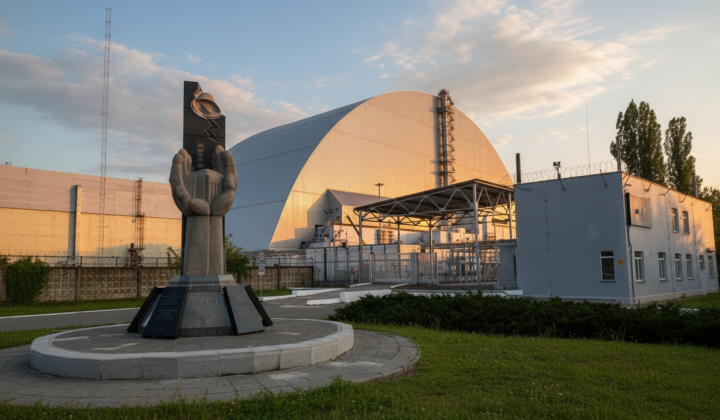
Eyewitness Recounts the Chornobyl Nuclear Disaster
According to Главком: Marking the 40th anniversary of the Chornobyl tragedy, the publication Glavcom interviewed Volodymyr Sverhun, a former station employee who witnessed the catastrophe firsthand. He described how operations at the plant continued even after the explosion, with personnel returning to their posts unaware of the true extent of the danger. In May 1986, some workers were gradually called back to duty; Sverhun himself returned to the station on June 1. He was assigned to the third power unit, which remained operational despite the disaster’s devastating impact.
According to Sverhun, workers initially lived on riverboats before moving into specially established settlements. They followed a shift rotation system: 15 days on-site, followed by 15 days at home. Monthly wages reached up to 2,000 rubles, and employees were provided with protective suits, masks, and dosimeters.
“There were no protests or refusals to work-everyone simply carried out their assigned tasks,” he noted.
Military Personnel and Miners Join the Cleanup Efforts
Sverhun also recalled that the cleanup involved military forces, including young conscripts. Miners played a key role as well, digging a tunnel beneath the destroyed fourth reactor. Despite the immense risks, the Chornobyl Nuclear Power Plant continued operating for another 14 years after the disaster.
The interview also featured a former resident of Pripyat, who shared photos and videos of his abandoned apartment. The city’s evacuation began only 36 hours after the explosion. The building that housed his apartment still stands, now in a state of severe neglect.
“Many didn’t grasp what they were dealing with,” the eyewitness emphasized.
The entrance to the building is overgrown with trees and shrubs; the staircase and facade are partially destroyed. Still, the man managed to climb to the 16th floor-the same apartment he left behind as a five-year-old child.
Sverhun further remarked that workers often failed to recognize the hazards they faced.
“They’re told: put on your protective gear… And they respond: why? There’s nothing here-no smell, nothing. A young officer explains there won’t be any smell, but you’ll get sick later… They sent kids there who had no idea what they were getting into,” said the former Chornobyl employee.
These testimonies underscore the complexity and danger that people encountered during the aftermath of the accident.
This conversation with Volodymyr Sverhun not only reveals personal memories but also reflects the collective tragedy that the country faced following the Chornobyl disaster. Accounts from eyewitnesses like Sverhun are crucial for understanding how the cleanup unfolded and what sacrifices the plant workers endured. Now, 40 years after the tragedy, it is vital to learn from the past to prevent similar catastrophes in the future.
As the events unfolded, the urgency of the evacuation became apparent. Eyewitness accounts reveal that many residents of Pripyat were forced to leave their homes with little more than the essentials. To delve deeper into the experiences of those who faced this harrowing exit, you can read about the challenges residents encountered during the evacuation process in our detailed piece on the evacuation of Pripyat.

Read also