Cuba's President Dismisses U.S. Indictment of Raúl Castro as a Political Ploy

U.S. Indictment Targets Raúl Castro
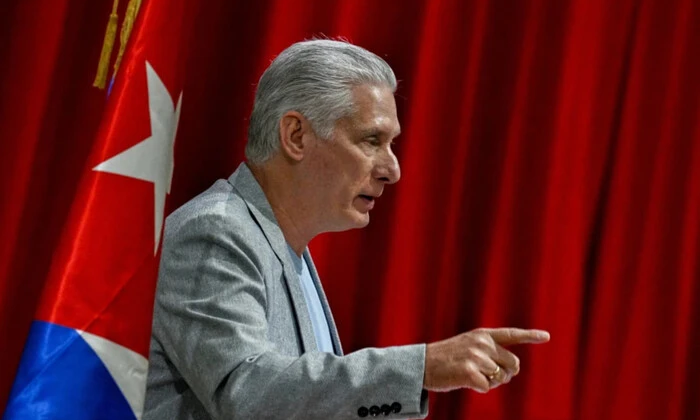
According to Главком: Cuban President Miguel Díaz-Canel has characterized the U.S. indictment of former leader Raúl Castro as a political maneuver. The charges accuse Castro of involvement in the destruction of civilian aircraft in 1996 that were carrying Miami-based emigrants. According to Díaz-Canel, Cuba acted within its territorial waters and in self-defense, responding to repeated violations of its airspace.
Events of February 24, 1996
The incident at the heart of the indictment occurred on February 24, 1996. The downed plane carried members of the organization 'Brothers to the Rescue.' Díaz-Canel stated that the U.S. administration had been warned over a dozen times about the airspace violations but chose to ignore those warnings.
“On February 24, 1996, Cuba acted in legitimate self-defense within its jurisdictional waters after successive and dangerous violations of our airspace by notorious terrorists.” - Miguel Díaz-Canel
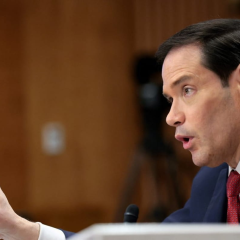
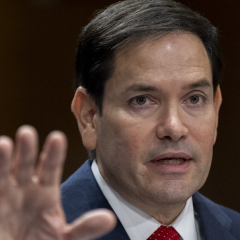
In addition to Raúl Castro, five other individuals are implicated in the case, including three Cuban military pilots. The U.S. government, particularly Secretary of State Marco Rubio, has accused Cuban leaders of looting billions of dollars, which Díaz-Canel argues is a distraction from the country's real issues.
“The blame lies with those who order the closure of any access to material and financial resources.” - Miguel Díaz-Canel
Díaz-Canel also assured on social media platform X that Havana harbors no aggressive intentions toward the United States, refuting claims of any hostile plans from Cuba. Raúl Castro is now 94 years old, and his case continues to draw international attention.
This situation underscores the long-standing tensions between Cuba and the United States, rooted in historical political, economic, and social differences. The indictment could have serious implications for bilateral relations, especially given that it concerns events from decades ago that still shape modern diplomacy. Observers may also consider how this case might influence Cuba's domestic politics and the future trajectory of U.S. foreign policy toward the island.
The ongoing discourse surrounding the indictment of Raúl Castro has sparked significant reactions, including from former President Trump, who referred to the charges as a pivotal moment for Cuba. For a deeper understanding of how these events are reshaping the political landscape, you can read more about Trump's perspective on this historic turning point for the island.

Read also