Cuban President Warns U.S. of Resistance While Offering Unconditional Talks

Cuba-U.S. Relations
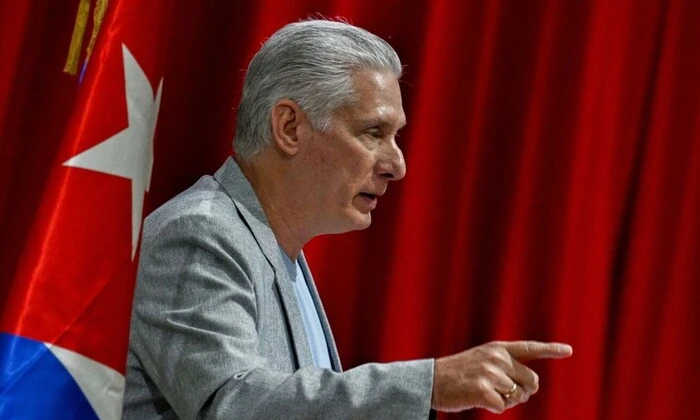
According to Главком: Cuban President Miguel Díaz-Canel has addressed the nation's relationship with the United States, asserting that the U.S. lacks any legitimate justification for military aggression against Cuba. He stated that Cuba is prepared to resist any attack. Díaz-Canel accused the U.S. of pursuing hostile policies but emphasized that Cuba remains open to unconditional dialogue. Raúl Castro, who continues to be the most influential figure on the island, plays a crucial direct role in shaping this dialogue strategy with the United States.
The Role of Raúl Castro
Raúl Castro, now 94 years old, maintains significant influence over the country's political processes. Negotiations between Cuba and the United States are currently in their early stages. Díaz-Canel stressed that in the event of U.S. military aggression,
“there will be combat, there will be a fight, and we will defend ourselves”
- Miguel Díaz-Canel. He also noted that
“if we must die, we will die, because, as our national anthem says, 'To die for the homeland is to live'”
- Miguel Díaz-Canel.
In this way, the Cuban president called for peaceful dialogue while simultaneously assuring that the nation is ready to defend its sovereignty. The situation between Cuba and the U.S. remains tense, and the next steps taken by both sides could significantly impact the future of their bilateral relations. These remarks highlight the enduring historical tensions that have defined the Cuba-U.S. relationship for decades. The unconditional dialogue proposed by the Cuban president could be a vital step in reducing friction, though its success will depend on both parties' willingness to engage constructively. Despite being retired, Raúl Castro remains a pivotal figure capable of shaping the country's international strategy.
As tensions escalate, the U.S. has proposed a potential roadmap for political change in Cuba, raising questions about the future of Díaz-Canel's leadership. This plan could significantly influence the ongoing dialogue between the two nations. To explore the implications of this proposal and its possible effects on Cuba's political landscape, read more about the U.S. transition strategy for Cuba.

Read also