Record Number of US Data Center Projects Halted by Growing Public Opposition

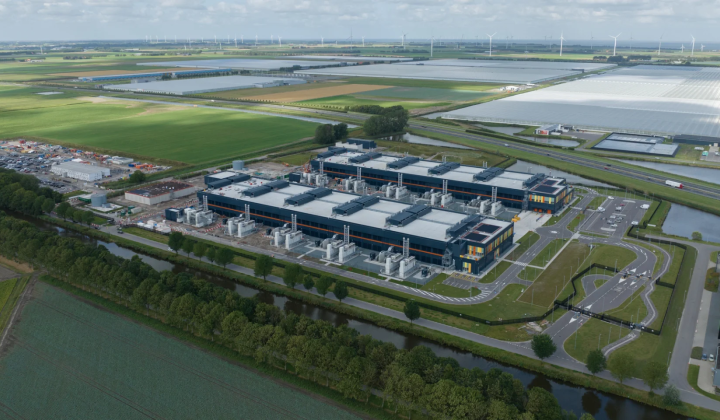
Surge in Resistance Against Data Center Construction Across the United States
According to НВ — Техно: According to a report from the Data Center Watch project, managed by 10a Labs, the first quarter of 2026 saw a dramatic increase in opposition to data center development in the US. Local protest campaigns and community-led initiatives impacted 75 projects-the highest number recorded for any three-month period since tracking began in 2023, as reported by NBC News. A separate study by Heatmap Pro also documented a rise in residents pushing back against data centers being built near neighborhoods.
Community Action and Legislative Responses
Groups opposing data center construction are now active in 49 US states. Their concerns center on potential environmental harm and negative effects on local quality of life. In the first three months of 2026 alone, 14 legislative proposals related to data center regulation were introduced across various states, signaling a growing debate over the need for stricter oversight of these projects.
Earlier, the governor of Maine vetoed a bill that would have imposed a moratorium on data center construction, but she has since expressed openness to supporting a revised version.
Elias Wachtel, an assistant editor at The Atlantic, noted that 'fears about data centers are overblown' and that 'many complaints exaggerate the real costs of these facilities while ignoring the potential benefits they can bring in certain cases.'
He also emphasized that 'a policy of bans does not always equate to effective solutions.'
Media coverage of the growing backlash suggests a shift in public perception toward these technological facilities. As protests and legislative efforts continue to unfold, the actions of community groups could significantly shape the future of data center development in the US.
This wave of opposition and policy activity underscores increasing scrutiny of the environmental and social impacts tied to data center construction. Public discussions highlight the need for a more thorough assessment of how these projects affect local communities, as well as the importance of balancing technological advancement with the protection of residents' interests. Given the intensity of the protests, lawmakers may need to adopt a more flexible approach to regulating data infrastructure going forward.
The rising opposition to data center projects reflects a broader trend in public sentiment, as communities increasingly voice their concerns about the implications of such developments. For a deeper understanding of this growing resistance and its impact on construction plans, you can read more about the substantial backlash against data centers in this related article.

Read also