Kremlin’s Setbacks in Moldova and Hungary: Why the Head of Rossotrudnichestvo Was Dismissed

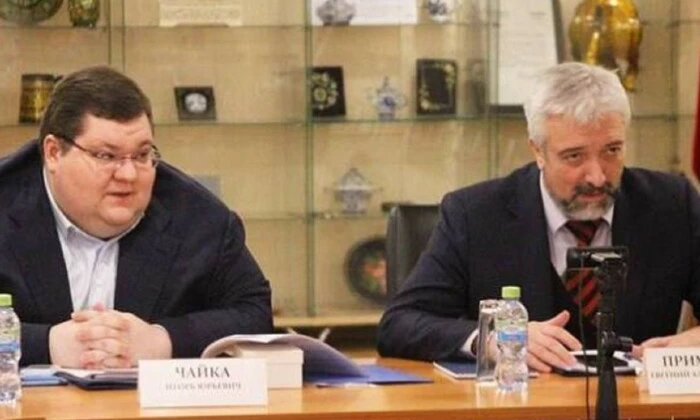
Evgeny Primakov’s Ouster and Fresh Shifts at Rossotrudnichestvo
According to Главком: Evgeny Primakov was removed as head of Rossotrudnichestvo on April 27, with Igor Chaika stepping into the role. This decision, driven by the acknowledged failure of Russia’s humanitarian influence tools abroad, highlights a systemic defeat for the political wing of the presidential administration-particularly Sergei Kiriyenko-at the hands of security agencies, especially the FSB.
The shortcomings of older cultural influence strategies became glaringly evident through the unsuccessful efforts of pro-Russian factions in Moldova and Hungary. Experts note that ‘failures in foreign arenas, especially in Moldova and Hungary, have cast doubt on the effectiveness of this system.’
The leadership change at Rossotrudnichestvo signals that the agency is effectively shifting from a soft-power domain to one of coercive administration. ‘This means an instrument once part of Kiriyenko’s political model is now being absorbed into the FSB’s orbit,’ analysts emphasize.
Igor Chaika’s New Approach
Igor Chaika, the newly appointed chief of Rossotrudnichestvo, has already launched audits alongside Russian law enforcement agencies, pointing to a fresh operational style. The focus is now moving away from network-based influence toward strict control and direct collaboration with security forces to advance Kremlin objectives.
These changes come against a backdrop of declining approval ratings for Vladimir Putin, which have hit their lowest levels since the full-scale invasion of Ukraine began. This negative trend in approval has persisted for a month and a half, with the rating dropping over six consecutive weeks.
As such, the personnel reshuffle at Rossotrudnichestvo not only reflects internal struggles within Russian politics but also hints at new strategies the Kremlin might adopt in its foreign policy.
The leadership overhaul at Rossotrudnichestvo may indicate major reforms in Russia’s foreign policy strategy. The growing role of security agencies in executing humanitarian initiatives suggests a shift in Kremlin priorities, particularly amid increasing pressure on authoritarian regimes in neighboring countries. These developments could be part of a broader trend requiring a reassessment of Russia’s international policy approaches in the face of mounting global isolation.
The Kremlin's recent shifts in strategy are not limited to Rossotrudnichestvo; they reflect broader challenges faced by the Russian government, particularly in managing dissent. As the effectiveness of traditional methods wanes, the backlash from influential bloggers highlights the difficulties in controlling the narrative online, further complicating the Kremlin's efforts to maintain its influence both domestically and abroad.

Read also