Wild Birds Masturbate More Often Than Captive Ones, Study Finds

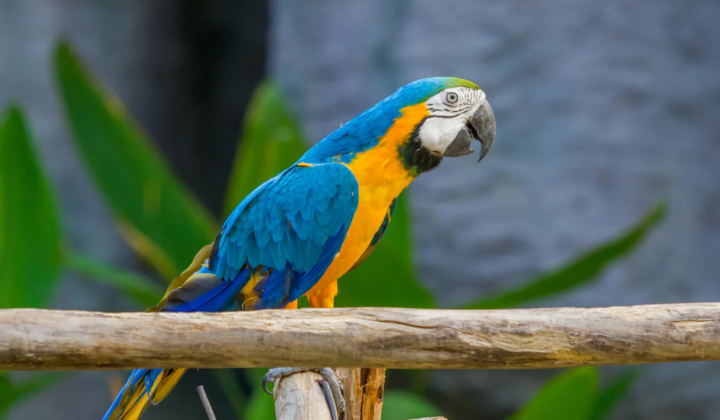
First Large-Scale Study on Avian Masturbation Published
According to НВ — Техно: On June 3 at 11:00 PM, a groundbreaking study on bird masturbation was released by researcher Chloe Hayes and her colleagues. This represents the first comprehensive evolutionary investigation into the topic, with findings appearing in the journal Ecology and Evolution. The research reveals that autoerotic behavior is widespread across many bird species, and notably, it is observed more frequently in wild individuals compared to those living in cages. For context, while animal self-pleasure has been documented before, this study is the first to systematically examine its evolutionary role across birds.
Key Findings of the Research
According to the data collected, males engage in masturbation more often than females: 55% of recorded instances versus 36%. Beyond birds, other animals that regularly practice self-stimulation include:
- dolphins
- squirrels
- horses
- primates
- marine iguanas
The scientists point out that birds lack external genitalia, so mating occurs through the cloaca. Avian self-stimulation involves rubbing the cloaca against objects such as branches, toys, or stones.
Hayes’ team assembled the largest dataset on bird sex ever created, combining scientific literature, surveys from zookeepers, and videos from social media. The results show that juvenile birds masturbate at rates comparable to adults, while monogamous species rarely engage in the behavior. In contrast, species prone to promiscuous mating habits masturbate frequently. These findings open new avenues for studying bird behavior in natural environments.
Studying bird behavior, including their sexual habits, can significantly deepen our understanding of the evolutionary strategies that influence their survival and reproduction.
The data may also prove vital for species conservation and protection, as insights into animal social and sexual behavior can help design more effective preservation programs. Overall, this work could serve as a foundation for future research in behavioral ecology and evolutionary biology.
Understanding avian behavior is crucial for grasping the complexities of their evolution. For instance, recent observations of birds on a Scottish island have revealed fascinating instances of island gigantism, showcasing how environmental factors can influence species characteristics. Such studies complement findings on self-stimulation, further enriching our knowledge of avian adaptations.

Read also