How a Middle East Shift Upended Putin's Plans for Ukraine Talks

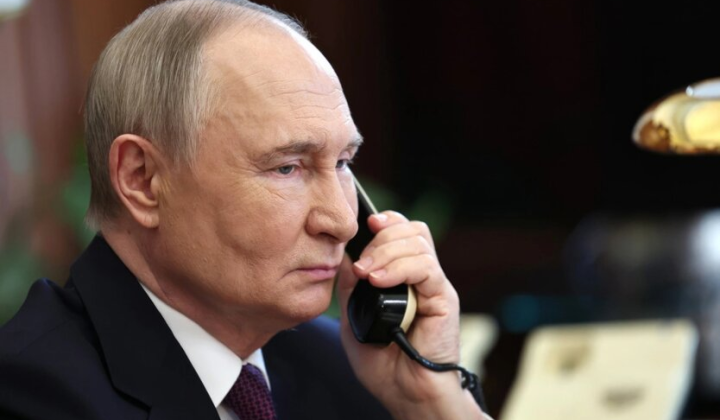
Russia's Economic and Foreign Policy Challenges
According to ХВИЛЯ: At the start of 2026, Russia faced severe economic difficulties that were pressuring President Vladimir Putin to seek negotiations with Ukraine. However, a dramatic shift in the Middle East-specifically the elimination of Ayatollah Khamenei-significantly bolstered Russia's international standing. This development has forced the Kremlin to reconsider its foreign policy calculations entirely. This analysis comes amid a period of intense global volatility, where regional conflicts have direct consequences for European security.
In late January 2026, Russia was forced to sell oil to India at a record low price of $22 per barrel, three times below market value. This dire economic situation prompted Putin to focus on the economy by February. Internal Kremlin discussions even considered personnel changes, including replacing Kirill Dmitriev, the chief negotiator, with Igor Sechin, the head of Rosneft.
International Upheaval and Its Consequences
On February 28, a joint American-Israeli strike eliminated Ayatollah Khamenei, triggering a sharp spike in oil prices to over $100 per barrel. This event led to the lifting of U.S. sanctions on Russian oil, granting the Kremlin new resources for international maneuvering. However, European nations refused to send their ships to the Strait of Hormuz, a decision that could threaten global oil supplies.
Russia's domestic situation also raises concerns. The Kremlin continues to block Telegram, while Moscow and St. Petersburg are experiencing internet disruptions. These factors could complicate communication and impact political activity ahead of the upcoming parliamentary elections.
Consequently, Russia finds itself at a crossroads where economic hardship and international changes could substantially alter its foreign policy and internal affairs.
Russia now confronts significant challenges that may force a revision of its international strategy. On one hand, improved oil prices following Khamenei's elimination offer the Kremlin a chance to recover economically. On the other, internal issues like information suppression and internet outages threaten domestic stability. With parliamentary elections approaching, these combined pressures could decisively shape the country's political landscape.
The recent surge in oil prices has not only reshaped Russia's economic landscape but also influenced its strategic decisions regarding Ukraine. As the Kremlin navigates these changing dynamics, understanding how fluctuations in oil markets can impact geopolitical strategies is crucial. For a deeper insight into how these developments have altered Putin's approach to negotiations, explore this article on how oil prices shifted Putin's war strategy.

Read also