How 'Escrava Isaura' Chronicles the Decline of Brazilian Slavery and the Rise of Free Labor

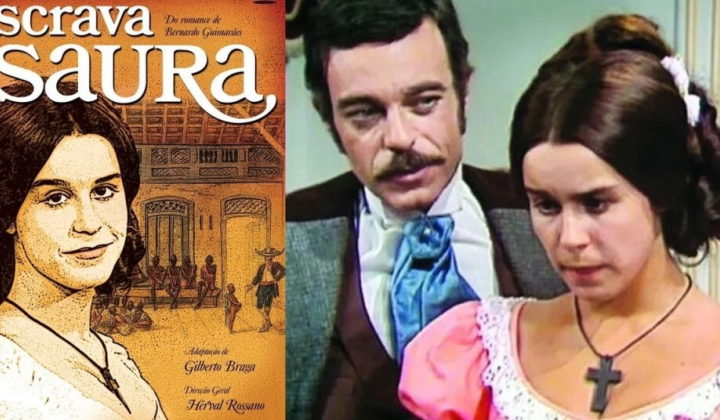
Exploring the Series 'Escrava Isaura'
According to Radiotrek — Світ: The television series 'Escrava Isaura' offers a vivid portrayal of Brazil's slaveholding era and the abolitionist movement that led to the collapse of slavery and the emergence of free labor. Set in the period of Brazilian slavery, the story centers on the antagonist Leoncio, the son of a plantation owner married to Malvina. Tobias, a landowner infatuated with Isaura, becomes a victim of Leoncio's brutality when he is lured into a barn and burned alive, an act that also causes Malvina's death. The series concludes with Leoncio's downfall: bankrupt and desperate, he ultimately takes his own life.
Socio-Economic Transformations
In contrast, Isaura escapes the plantation, buys the freedom of Leoncio's slaves, and marries Alvaro, an abolitionist who, even before meeting Isaura, had been paying wages to his own slaves. Alvaro purchases Leoncio's estate at auction and promptly frees Isaura. Far from a fictional creation, Alvaro represents a real historical figure symbolizing the progressive bourgeoisie-educated and capital-rich-while Leoncio embodies the dying breed of indebted slave owners with failing plantations.
Plantation owners faced enormous expenses maintaining slaves, including purchasing, guarding, and suppressing rebellions. Forced labor was inefficient, rendering the system economically unsustainable. Procuring a single able-bodied slave between 1850 and 1870 in Brazil could cost as much as a modest house or several workhorses. The slave economy required massive upfront capital investment, whereas free labor shifted these costs into operational expenses. This shift enabled entrepreneurs like Alvaro to invest in innovations such as steam engines, threshers, and railroads, modernizing agriculture.
The abolitionist cause drew support from Brazil's influential social strata-including urban elites, intellectuals, lawyers, journalists, politicians, students, and bankers. Emperor Pedro II and his daughter, Princess Isabel, were prominent advocates. In 1888, Princess Isabel signed the Lei Áurea (Golden Law), which permanently abolished slavery in Brazil, marking a decisive victory for the abolitionists.
Therefore, Alvaro's triumph over Leoncio at the auction is not just a dramatic ending but a faithful reflection of how capitalism and free labor dismantled Brazil's bankrupt slave system. The restructured cost framework allowed investment in new agricultural technologies, enhancing productivity and crop yields. Consequently, 'Escrava Isaura' serves as more than entertainment-it is a significant educational tool illuminating the complex social and economic shifts during Brazil's abolition era.
The series plays a crucial role in raising awareness about Brazil's abolitionist history, illustrating the intertwined social and economic changes of the time. It highlights how cultural works can shape public understanding and discourse surrounding pivotal historical moments. Gaining insight into these transformations is essential for contemporary conversations about racial inequality and social justice in Brazil.

Read also