Radonitsa 2026: Date, Observances, and Prohibitions for the Day of Remembrance

The Feast of Radonitsa
According to Главком: Radonitsa is a day of remembrance for the departed with deep historical roots, originally a pagan commemoration that later integrated with Orthodox Christian traditions. Its name signifies a 'joyful prayer for the dead.' In 2026, this observance falls on April 21, which is the ninth day after Easter Sunday. Today, it is recognized as a universal church memorial for the deceased.
Radonitsa Traditions
The customs of Radonitsa originate from ancient pagan times. Initially, commemorations were held on Krasnaya Gorka (Red Hill), but the date was later moved to the week following that Sunday. Ancestors prepared ritual foods like kutia, pancakes, and eggs dyed green and yellow. Some food was buried in the earth for the spirits of the dead, and eggs were cracked against crosses. Homes would leave a glass of water and pieces of bread on the windowsill, and three empty plates were set on the dinner table. Any remaining food was given to those in need.
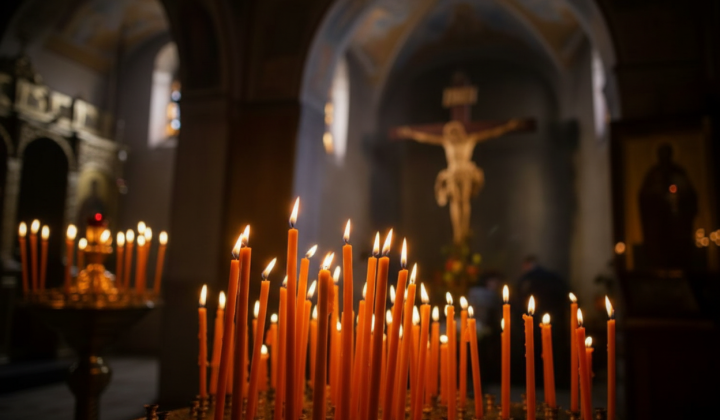
In Orthodox practice, Radonitsa is considered Easter for the departed. Believers are encouraged to attend church services to pray and may submit memorial notes with the names of the deceased. After the service, people visit cemeteries to clean graves and bring colored eggs and Easter breads (paskas). In some cases, a priest is invited to conduct a memorial service (panakhida or litia). If this isn't possible, individuals may light a candle and pray independently.
Additionally, it is important to give alms on Radonitsa, and one should only engage in work if absolutely necessary. This day of remembrance is a significant part of Eastern Slavic spiritual culture, particularly in Ukraine. It is also crucial to note the specific prohibitions associated with Radonitsa:
- Do not grieve or weep excessively;
- Do not leave food on graves;
- Do not use strong alcohol for toasts to the dead (a small amount of wine is permitted);
- Do not place vodka and black bread before a photograph of the deceased;
- Do not quarrel or use foul language;
- Do not get married;
- Do not sow seeds or plant in gardens or fields.
According to folk beliefs, rain on Radonitsa foretells a bountiful harvest. Thus, the holiday of Radonitsa, which blends pagan and Orthodox traditions, remains a vital element of Ukrainian cultural and spiritual heritage.
Radonitsa symbolizes the enduring connection between the living and the dead, emphasizing the importance of ancestral memory in Ukrainian culture. It is not only a religious observance but also a social one, uniting communities around shared traditions and values. In modern times, as interest in national heritage grows, Radonitsa persists as a relevant and meaningful celebration that reflects the uniqueness of Ukrainian identity.
As Radonitsa approaches, understanding the nuances of cemetery visits and the proper offerings becomes essential for honoring the memory of loved ones. This tradition not only reflects deep-rooted cultural practices but also emphasizes the significance of respectful observance. For those looking to prepare appropriately for the day, exploring guidelines from last year's commemorations can provide valuable insights. Discover more about the best practices for cemetery visits during Radonitsa.

Read also