Reform of preferential travel 2026: where pensioners will have to pay

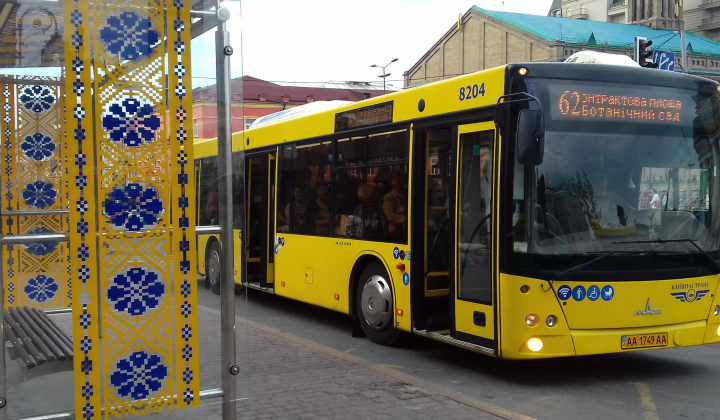
Preferential travel in Ukraine may change dramatically: instead of unlimited free rides, limits or monetary compensation will be introduced. This means that pensioners will have to pay for part of their trips themselves. This is reported by Korrespondent.
Preferential travel 2026: why the system is being changed
Today, preferential passengers have the right to free travel on most types of transport - from buses to subways. This category includes pensioners, people with disabilities, veterans, and other social groups.
But the compensation system is unstable. Carriers often do not receive full reimbursement or receive it with delays.
Because of this, they are forced to transport preferential passengers “on credit,” which leads to a reduction of routes or refusal to operate on unprofitable directions.
Reform of benefits: how the fare payment will change
The draft law proposes a transition to a digital system and the monetization of benefits. This means that the money for travel will be credited directly to the preferential passenger.
The main changes:
-
each trip will be recorded through electronic systems
-
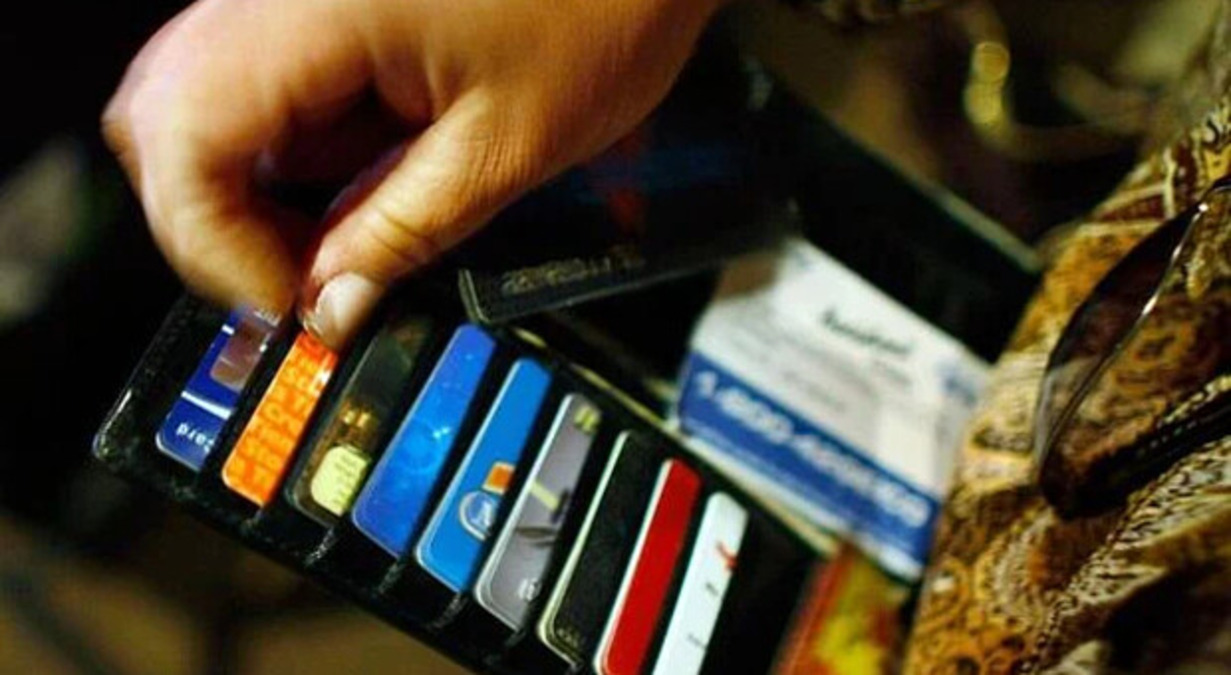
the passenger will pay for travel like everyone else, using a validator
-
carriers will receive money for actual transports
Formally, benefits are not canceled, but the mechanism for obtaining them is being changed.
Restrictions for pensioners: where they will have to pay
In the new model, much will depend on the community budget. It is local authorities that will determine the number of free trips.
Possible options:
-
5–10 free rides per month
-
time-limit restrictions
-
partial or full cancellation of benefits on specific routes
In large cities, broader benefits may be preserved, while stricter restrictions will be in place in smaller communities.
What worries pensioners and when to expect changes
The new system causes anxiety among the elderly. Some of them do not use bank cards or do not have access to digital services.
There are also risks of technical malfunctions - in the absence of connection or validator failures, people may be left without access to transport.
The launch of the reform requires the creation of a unified electronic system, which may cost from 60 million UAH. The full transition is planned to be completed by mid-2028.
In fact, the reform means that the right to free travel will increasingly depend not on the law but on the financial capabilities of a specific city.
Let us remind you that in Ivano-Frankivsk on May 7 travel on public transport will be free in the celebrations of the 364th anniversary of the city's founding.

Read also