Over 260,000 Metric Tons of Microplastics Enter Oceans via Rivers in 2022

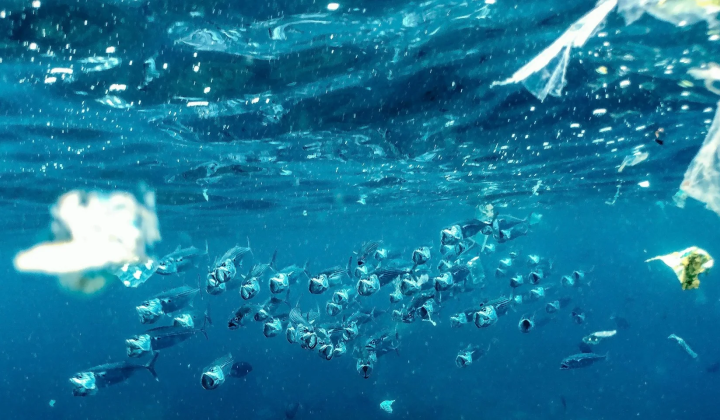
The Growing Threat of Microplastic Pollution in Our Oceans
According to НВ — Техно: Rivers are increasingly transporting vast amounts of microplastics into the world’s oceans. A recent study published in the journal Science reveals that approximately 263,000 metric tons of microplastic particles were discharged into the oceans by rivers during 2022. This figure surpasses earlier estimates, which ranged from 6,000 to 2,310,000 metric tons annually. The majority of this pollution originates from countries in the Global South, with more than half coming specifically from East and Southeast Asia.
Causes and Environmental Impact of Microplastic Contamination
Led by Hehao Qing from Peking University, the research team analyzed 1,386 direct measurements to arrive at these findings. Microplastics, defined as particles sized between 1 and 5,000 micrometers, present significant challenges for detection and removal. The Yangtze River was identified as the largest contributor among rivers, highlighting serious ecological concerns in that region.
Heavy rainfall events play a key role in increasing microplastic pollution, washing debris from land surfaces and riverbeds into waterways in sudden surges. Climate change, which is driving more frequent and intense precipitation, may worsen this issue further. This study emphasizes the urgent need for global efforts to reduce microplastic discharge and protect aquatic ecosystems.
The rising volume of microplastic pollution poses a critical environmental challenge that demands immediate action. Since most contamination stems from Global South nations, international cooperation and targeted waste management strategies are essential. Only through a coordinated, comprehensive approach can we effectively mitigate microplastic’s harmful impact on oceans and freshwater habitats, ultimately benefiting the planet’s overall health.
As the issue of microplastic pollution intensifies, it is crucial to consider the broader implications of environmental changes. For instance, climate change is projected to expand arid regions, potentially exacerbating the effects of pollution on ecosystems. Understanding these interconnected challenges is essential for developing effective solutions to protect our planet's health.

Read also