Robotic Device Restores Walking Ability in Children

Study Highlights Benefits of Robotic Rehabilitation Technology
According to НВ — Техно: A collaborative research effort involving Beihang University, Peking University Third Hospital, and the Massachusetts Institute of Technology has shown that a wearable robotic device can significantly aid children with spinal muscular atrophy type II. Over a six-week period, six participants aged 6 to 10 completed 30 training sessions. The results included increased muscle volume and strength, along with improved ability to stand up from a chair without assistance.
Key Findings from the Clinical Trial
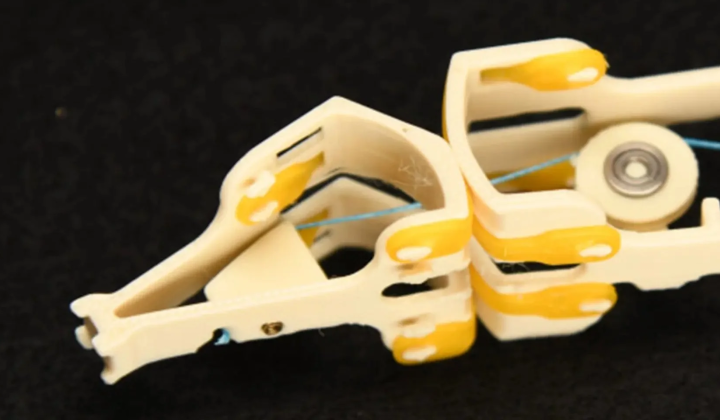
The children in the study all had spinal muscular atrophy type II, a genetic disorder that progressively damages the nerves responsible for muscle movement. The researchers developed a portable robotic device weighing just 0.96 kilograms, which was attached to the children's knees. This device made each movement more challenging: the harder the child pushed, the more resistance the device provided. This approach enhanced knee joint function, increasing both range of motion and force generation.
Outcomes from the study include:
- A 19% increase in the volume of the quadriceps femoris muscle.
- A 130% rise in muscle strength.
- All six children were able to stand up from a chair independently after completing the training program.
Additionally, the research team observed stronger neural signals between the femoral nerve and leg muscles, indicating positive changes in the participants' nervous systems.
The study was published on June 5, 2026, and its findings point to promising avenues for rehabilitating children with this condition.
These results may hold significance not only for children with spinal muscular atrophy but also for other patients facing similar rehabilitation challenges. The use of advanced technologies like robotic devices opens new possibilities for improving patients' quality of life and could drive the development of innovative treatment methods in medical practice. This research has the potential to serve as a foundation for larger trials and eventual integration into clinical care.
The advancements in robotic technology are not only transforming rehabilitation for children with spinal muscular atrophy but also showcasing the potential for robots to tackle intricate tasks. A recent study highlights how robots can achieve complex objectives without the need for diverse data, paving the way for future innovations in various fields. To explore this fascinating development, read more about how robots can excel in complex tasks.

Read also