U.S. Companies in Ukraine Under Fire as Washington Stays Silent on Russian Strikes

Attacks on American Businesses in Ukraine
According to ХВИЛЯ: Russian forces are systematically targeting industrial sites in Ukraine owned by U.S. corporations, including major names such as Coca-Cola, Cargill, Boeing, Mondelez, and Philip Morris. These strikes have escalated despite the fact that these assets belong to American firms, raising questions about the response-or lack thereof-from Washington.
- Coca-Cola
- Cargill
- Boeing
- Mondelez
- Philip Morris
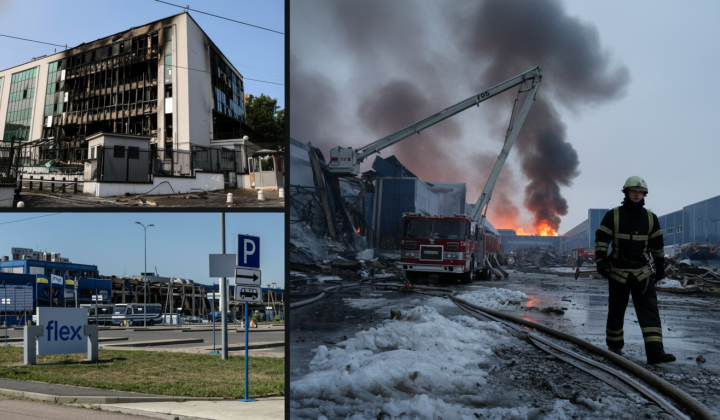
In mid-April, a grain terminal operated by Cargill in southern Ukraine came under attack, with seven drones hitting its warehouses within a three-minute window. Additional strikes have damaged a Coca-Cola plant near Kyiv, a Boeing facility in the capital, a Philip Morris factory in Kharkiv, and sites belonging to Mondelez and Flex Ltd. in the western part of the country. Late last year, a drone struck a Coca-Cola facility in Velyka Dymerka, just outside Kyiv. In 2026, targets included facilities owned by Bunge, Philip Morris, and Mondelez.
U.S. Companies and Government Responses
Representatives from Coca-Cola, Cargill, and Bunge voiced their concerns to a bipartisan group of U.S. senators during a visit to Ukraine in February of this year. Around 120 American companies operate in Ukraine, and many managed to avoid direct hits until 2025. However, systematic attacks began in the summer of 2025, including a strike on Boeing in June and another on Flex Ltd. two months later in the west of the country.
The Trump administration has largely refrained from public comment on these attacks, leaving the White House silent as American assets come under fire. Washington has also asked Kyiv to hold off on strikes against a Russian oil terminal on the Black Sea where U.S. companies hold stakes. The State Department has urged both sides to avoid targeting American business interests.
Most companies are avoiding public discussion of the strikes out of fear of alarming investors and insurers. Oleksandr Borsuk, the mayor of Velyka Dymerka, noted:
“They were aiming at Coca-Cola.”
Andy Hunder, head of the American Chamber of Commerce in Ukraine, emphasized:
“The Russians are launching these missiles and drones with the hope of stopping American business from coming into Ukraine.”
Oleksandr Romanishyn, a former deputy economy minister of Ukraine, observed that 'Washington is either sending a signal that it protects its business, or quietly accepting a precedent that other authoritarian regimes will study very carefully: you can attack American companies abroad and get only rhetorical concern.' These events highlight the precarious position of U.S. firms in Ukraine and the ambiguous motives behind Russia's actions.
The situation underscores not only the risks businesses face amid armed conflict but also the potential fallout for international relations. Strikes on American enterprises could trigger new sanctions or shifts in U.S. policy toward Ukraine, potentially prolonging the conflict and affecting the region's economic stability. Additionally, investor confidence may waver, leading to a reassessment of plans for Ukraine and hindering the country's economic recovery.
The ongoing attacks on American businesses have raised significant concerns within the corporate community, particularly regarding the lack of a decisive response from the U.S. government. As the situation unfolds, U.S. firms in Ukraine continue to face a wave of systematic strikes that jeopardize not only their operations but also the broader economic stability in the region.

Read also