Russia's Core Demand: Political Control, Not Just Territory, Over Ukraine

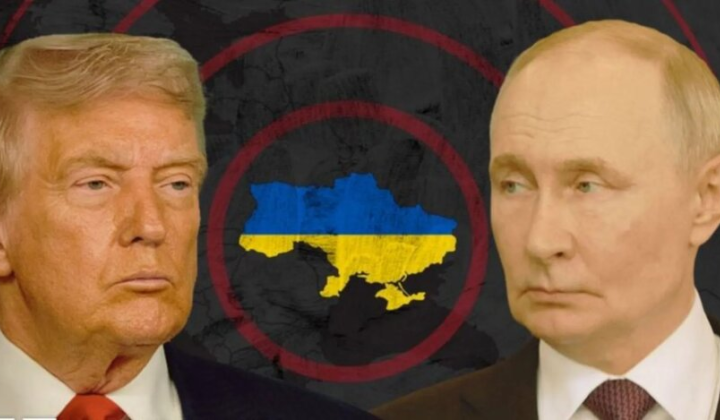
Russia's Motives in the Ukraine War
According to ХВИЛЯ: As the war in Ukraine enters its fifth year, analysis of Russia's motives indicates that the Kremlin's primary objective extends beyond territorial conquest to a deeper ambition for political control over its neighbor. Analysts confirm this assessment, noting:
“What Moscow truly wants, and has always wanted, is political control over Ukraine. Not merely a piece of territory, but a legally binding framework for perpetual interference in the country's political life.”
Negotiations and Their Consequences
During talks in Switzerland, the Russian side presented security guarantee demands reminiscent of the 1960 Cyprus agreement. That treaty granted guarantor nations the right to military intervention, a prospect that causes significant concern in Kyiv. In contrast, Ukraine insists on security guarantees modeled on NATO's Article 5 and future membership in the European Union.
Former U.S. President Donald Trump has asserted that the Russian dictator's main goal is territorial seizure. Meanwhile, the Kremlin has floated a fictitious $14 trillion mega-deal, which may signal a lack of serious intent in its proposals. Trump's envoys in these negotiations, Steve Witkoff and Jared Kushner, represent U.S. interests in this complex dialogue.
Control over Ukrainian language policy, media, the Orthodox Church, elections, and historical memory are thus key aspects underscoring Moscow's drive to influence Ukraine's internal affairs. These factors suggest that resolving the conflict will require a comprehensive approach addressing the political demands of both sides.
The situation remains tense as both parties attempt to find a compromise in negotiations that could significantly shape the conflict's future trajectory. The political demands from Ukraine and Russia reflect deep historical and cultural divisions that complicate achieving a stable peace. For context, this struggle is part of a longer pattern of Russian efforts to maintain a sphere of influence in the region, which directly challenges Ukraine's sovereign choice to integrate with the West. Therefore, monitoring the ongoing negotiation processes and the international community's response to them is critically important.

Read also