Ukraine’s Strikes Fail to Halt Russia’s Expanding Shahed Drone Infrastructure

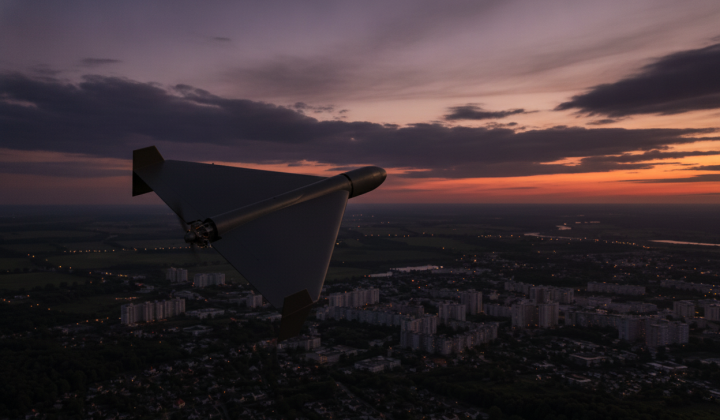
Building Up in Tsimbulovo: A Growing Drone Hub
According to Главком: Russia is actively expanding one of its largest launch sites for Shahed kamikaze drones, located in Tsimbulovo, Oryol Oblast. At least 15 large warehouses are under construction on the facility’s grounds, likely intended for storing warheads or the drones themselves. The new section covers over 390,000 square meters. In addition to the warehouses, analysts have spotted new garages for the vehicle-mounted launchers used to deploy the unmanned aircraft.
Enhanced Capabilities Despite Setbacks
The site continues to add capacity for drone storage and launch operations. Satellite imagery reveals three new areas designated for stationary launch pads. This facility has been repeatedly targeted by Ukraine’s defense forces. In late December 2024, the Ukrainian Air Force, alongside other units, destroyed a warehouse used for storing, servicing, and repairing Shahed drones at this location. Then, in January 2025, the General Staff reported that a strike on drone storage facilities in Oryol Oblast eliminated over 200 Shahed units.
Despite these losses, the Russians have not only rebuilt but significantly expanded the site’s capabilities over the past year. In November 2025, intelligence agencies released satellite images of the same Tsimbulovo facility, which at the time was considered the largest known launch site for strike drones in Russia, covering over 5 square kilometers and featuring eight stationary launch pads.
“The growth in production and launch capacity directly affects the scale of future attacks: more launch pads mean the Russians can send up more drones simultaneously, and more warehouses allow them to stockpile a larger arsenal for a single strike,” experts note.
They also emphasize that ‘the Russians are building many small warehouses and garages instead of a few large facilities-this makes it more difficult and costly for Ukraine’s defense forces to destroy the infrastructure.’
Tsimbulovo, as a key Russian asset, holds major strategic importance in the context of the war. The infrastructure expansion signals Moscow’s intent to bolster its combat capabilities, using drones as a primary attack tool. Given this, further Ukrainian operations aimed at neutralizing such sites may prove critical to sustaining their defensive strategy.
The ongoing conflict has seen not only advancements in drone infrastructure but also significant strikes on key Russian assets. Recently, a Ukrainian drone attack targeted Moscow's major oil refinery, highlighting the strategic importance of disrupting Russia's supply chains. As both sides continue to adapt their tactics, understanding these developments is crucial to grasping the broader implications on the battlefield.

Read also