Why Russia's Black Sea Fleet Remains Stuck in Crimea

Russia's Military Logistics Under Strain
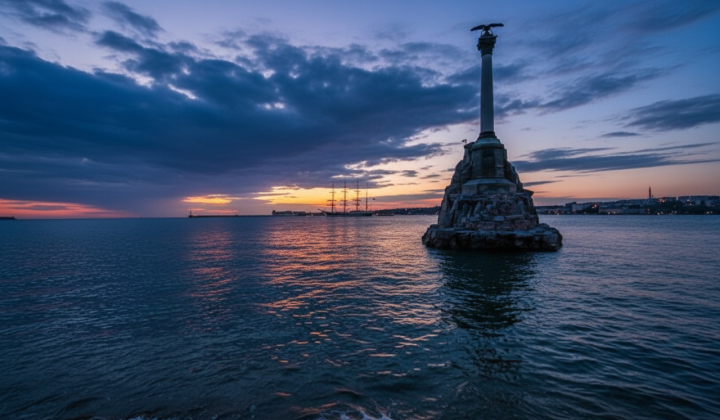
According to ХВИЛЯ: Russian military commanders are unable to fully withdraw their naval vessels from the occupied Crimean ports due to the limited capacity of the port in Novorossiysk. This logistical bottleneck highlights significant challenges in Russia's military supply chain. Currently, the bays of Crimea are primarily occupied by non-combat-ready units and support ships, as the most valuable combat vessels have already been relocated by the occupying forces.
Novorossiysk is a civilian port and is not equipped to simultaneously host the entire Black Sea Fleet. Its logistical capabilities are restricted, complicating the transfer of a substantial number of warships.
Dmytro Pletenchuk: 'They left in Crimea everything they could afford to lose. Their resources for relocating the fleet to Novorossiysk are limited.'
Furthermore, ports on the Sea of Azov, such as Mariupol and Berdiansk, are being used to export stolen Ukrainian property. They function as a conveyor belt for the removal of resources, including Ukrainian grain, metal, and coal. The use of these ports allows the occupiers to operate with less visibility, as it is easier to avoid surveillance in the Sea of Azov.
Dmytro Pletenchuk notes that 'it is difficult to enter Crimea unnoticed; everything is monitored by relevant agencies.'
The export of resources from occupied territories is implemented through a laundering scheme, where cargo is transported to official Russian ports like Temryuk. Subsequently, Ukrainian grain or metal is mixed with Russian equivalents, documents are forged, and the goods are exported as legitimate Russian products. Thus, despite difficulties in relocating its fleet, Russia continues to utilize available ports to advance its economic and military interests. This dual-use strategy underscores the complex nature of the conflict in the Black Sea region.
Data on the movement of the Russian fleet is being actively collected by Ukrainian and international analysts for future legal action.
Conclusions
The logistical problems and the challenges in relocating the naval fleet indicate a worsening military situation for Russia in the Black Sea, which could impact its military operations and regional strategy. The use of Sea of Azov ports for smuggling Ukrainian resources points to the continued economic exploitation of occupied territories, a practice that is drawing increasing scrutiny from international bodies prepared to respond to these actions.

Read also