Russia Cannot Independently Produce the Microelectronics Needed for Its Weapons

Russia’s Microelectronics Capacity
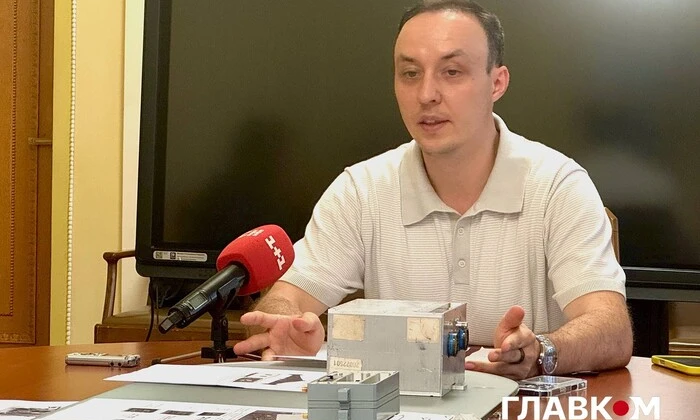
According to Главком: As of early July 2026, Russia remains unable to independently manufacture advanced microelectronics for military use, according to Vladyslav Vlasiuk, an adviser to the President of Ukraine on sanctions policy. While Russia can produce circuit boards, these still rely on foreign components.
“They can make the boards, but they still install foreign parts on them. As long as they can keep getting those parts, there’s no incentive for them to develop their own microelectronics,” said Vlasiuk.
Component Swaps and Global Response
Under increased sanctions pressure, Russia has begun replacing Western electronic components in its Shahed drones with Chinese alternatives. Components from the Dutch firm NXP, once widely used in Russian drones, have been swapped for Chinese versions.
“NXP has been replaced by China,” Vlasiuk emphasized.
Despite these changes, Western microelectronics still appear in Russian weaponry, entering the country through re-exports from third nations, particularly Central Asia and China.
“This is re-export via third countries,” Vlasiuk added.
U.S. law holds parties accountable for knowingly evading export restrictions, underscoring the seriousness of the issue. Ukraine is collaborating with the European Union to tighten tools against sanctions evasion, and it notes that the United States has become more active in disrupting illegal supply chains for components.
Germany has also responded more quickly to Ukrainian requests, reflecting international support for blocking technology flows to Russia. Vlasiuk pointed out that if companies sell products to a third country while knowing they will end up in Russia, this could trigger secondary sanctions. As a result, the status of Russia’s microelectronics sector remains under international scrutiny, highlighting ongoing efforts to prevent the strengthening of its military capabilities.
These developments underscore the importance of global cooperation on sanctions and export controls targeting Russia, aiming to limit its military potential. Ukraine and its partners’ work to counter sanctions evasion could significantly hinder Russia’s ability to modernize its weapons, especially in microelectronics-a critical component of modern military technology.
As the situation evolves, it's crucial to understand how Ukraine is actively working to prevent components from reaching Russian military technology. Recent efforts have led to significant actions against the supply of key components for Russian drones, highlighting the ongoing international cooperation aimed at crippling Russia's military capabilities.

Read also