Russia's Revised Donbas Timeline: Implications for the War's Trajectory

The Donbas Front
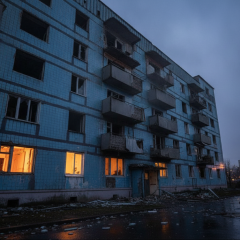
According to Главком: Russia has extended its deadline for the complete capture of the Donbas region to April 2026, signaling a protracted military campaign and a need for strategic recalibration. This new timeline underscores the fierce Ukrainian resistance and the high cost of further advances. To seize the remaining 21% of Donbas territory, Russian forces must capture the city of Pokrovsk, which has been under assault for nearly two years. This operation alone involves over 150,000 troops, highlighting the massive resource commitment required for incremental gains.
Russia's Internal Strains
Analysis of narratives surrounding the Russo-Ukrainian war reveals significant internal challenges within the Russian Federation. Estimates suggest that between 50% and 70% of Russian soldiers' income is siphoned off as bribes to commanders, exposing deep-seated corruption within the military structure. Recruitment is becoming increasingly difficult, and morale among troops is deteriorating, factors that could severely undermine operational effectiveness on the battlefield.
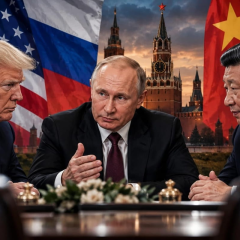
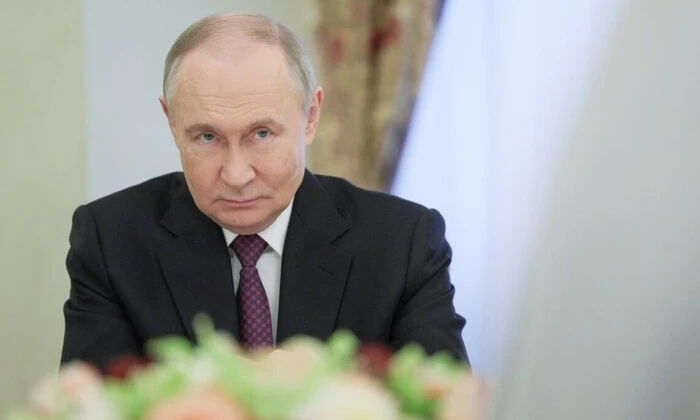
Vladimir Putin has stated that 'either we liberate these territories by force, or Ukrainian troops leave them.'
This rhetoric demonstrates the Kremlin's stated resolve to continue hostilities. However, Russia's economic model, reliant on oil revenues to fund the war, is triggering rapid inflation and domestic shortages. On the international stage, Moscow's strategic narrative is faltering, as it loses allies and faces growing resilience from European societies against hybrid attacks, indicating the limits of Kremlin propaganda.
Consequently, the postponement of the Donbas objective to 2026 highlights the complexities of the frontline situation and the multifaceted challenges Russia faces in achieving its military aims. This development points to a prolonged conflict with potential for further escalation, carrying serious implications for regional stability. Rising internal corruption and systemic problems may impair the Kremlin's capacity to wage war effectively, yet the leadership's determination suggests an intent to continue the fight for control of Donbas, despite mounting economic strain and international pressure.

Read also