Russia Expands Digital Surveillance Over Its Citizens

New Data Collection Mandates in the Russian Federation
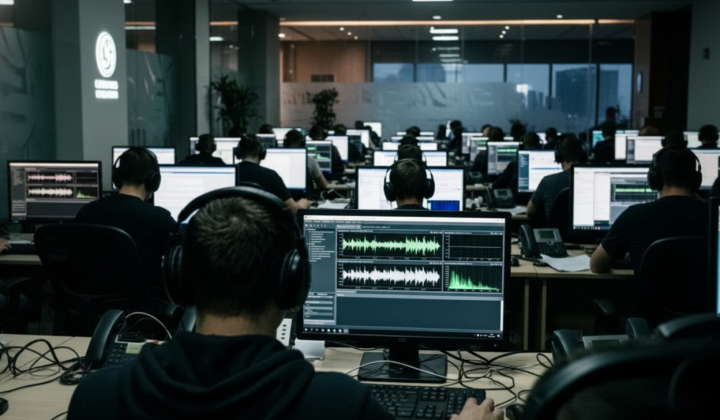
According to Главком: The Russian government has broadened the scope of personal data that telecom operators are now required to gather and hand over to law enforcement agencies. Citing Ukraine’s Center for Countering Disinformation, the outlet Glavcom reports that a recent directive from Russia’s Ministry of Digital Development, Communications and Mass Media grants security services access to subscribers’ geolocation, passport details, banking information, and internet traffic.
Telecom Obligations and the FSB’s Expanded Powers
Under the updated rules, telecom operators must collect the following data:
- real-time precise geographic coordinates of individuals;
- passport information and registered addresses;
- bank account details.
Additionally, intelligence agencies will have direct access to network traffic, intensifying state oversight of personal information.
As a result, Russian telecom providers will need to upgrade their equipment. Vladimir Putin has signed a set of documents that grant the Federal Security Service (FSB) new authorities across multiple domains, including science, finance, telecommunications, freedom of movement, and physical detention.
The Center for Countering Disinformation notes that the Kremlin is steadily tightening its digital grip on the population, effectively building a digital wall that restricts access to independent news. Russian citizens are being funneled into a sterile, fully monitored 'sovereign' digital space controlled by intelligence agencies.
Furthermore, Ukrainian intelligence reports that funds originally allocated for modernizing satellite systems have been redirected to purchase specialized surveillance equipment, expand FSB internal units, and conduct covert operations. The FSB has also stalled the development of strategic space programs in Russia by misappropriating billions of rubles.
These new measures thus reinforce state control over information and private life, paving the way for even greater intrusion into personal spheres.
The growing oversight of personal data in Russia signals a shift in its national security and information policy approaches. This could have far-reaching consequences for human rights and freedoms, as access to private information becomes a tool of control. Amid rising political tensions and instability, such steps may aim to consolidate power and limit citizens’ ability to freely express opinions or access information. In this context, it is crucial to monitor further legislative changes and their impact on society.
The recent expansion of digital surveillance in Russia aligns with ongoing efforts to control online communication channels. This tightening grip is further illustrated by the government's moves towards a complete shutdown of platforms like Telegram and other messaging applications. For a deeper understanding of how these actions are reshaping the digital landscape and limiting free expression, read more about the potential total ban on messaging apps in Russia.

Read also