Russian Government Sets University Quotas to Recruit Students for Drone Warfare Units

Recruitment Drive Targets Russian University Students
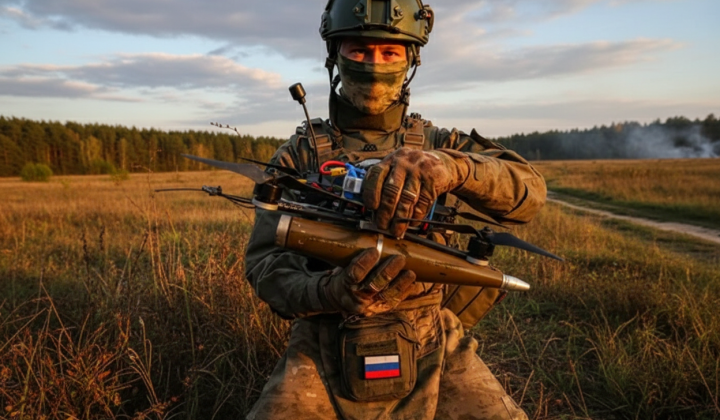
According to Главком: A campaign is underway across Russian universities to persuade students to enlist in the military's unmanned aerial vehicle (drone) forces. According to DW, educational institutions have received a tacit directive to encourage young people to sign army contracts. This effort involves at least 70 institutions across 23 Russian regions, including 57 universities and 13 colleges and technical schools. A particular focus is placed on students who are on the verge of expulsion due to poor academic performance. This initiative highlights the Kremlin's efforts to bolster its military capabilities amidst ongoing conflict.
University administrators were summoned to a meeting with Russian Deputy Prime Minister Dmitry Chernyshenko, where they were assigned recruitment quotas ranging from 0.5% to 2% of their student body. Failure to meet these targets could lead to suspicions of disloyalty against the rector or vice-rector. Instructors report that some universities have seen a sharp increase in failing grades, which may be linked to pressure being placed on students.
Contract Terms and Potential Dangers
During recruitment pitches, students are offered a one-year contract, service approximately 12 miles from the front line, payments of up to 5 million rubles, and the chance to resume their studies for free after service. However, lawyers like Artem Kliga warn of significant risks. He noted that Russian law does not provide for a special short-term contract for students; a contract can last from one to three years and, during mobilization, can effectively become indefinite.
Human rights defenders report that some students have been misled about service conditions. For instance, students at a St. Petersburg college were promised work at a military enterprise, but after signing contracts, they were informed they would be sent to the front as drone operators. Similar cases have occurred with other contract soldiers who were initially assigned to rear-echelon positions only to be later transferred to combat units.
The highest numbers of participating educational institutions are recorded in:
- St. Petersburg – 19
- Moscow – 13
- Tatarstan – 6
- Novosibirsk Region – 5
- Krasnodar Territory – 4
The pressure on students has raised concerns among human rights advocates and lawyers, who urge caution and highlight the potential consequences of signing such contracts.
The recruitment campaign in Russian universities points to increasing state pressure on young people in the context of the war. Enlisting students through contract offers may be an attempt to address personnel shortages in the military and to shift youth attitudes toward service.
Simultaneously, the warnings from rights defenders regarding contract terms and the potential repercussions of service underscore the critical importance of a fully informed decision, which could profoundly impact the students' futures.

Read also