Russia Deploys Shahed Drones as Carriers for FPV Drones Targeting Civilians in Zaporizhzhia

New Attack Tactics Emerge in Zaporizhzhia
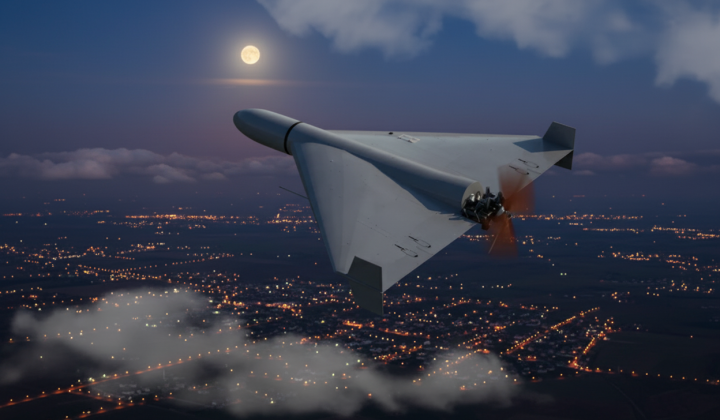
According to Главком: Russian forces have adopted a novel assault strategy in Zaporizhzhia, using Shahed unmanned aerial vehicles as platforms to transport FPV drones into urban areas. Over the past 24 hours, 54 FPV drones were launched in the city, with eight successfully reaching their targets. A meeting at the regional military administration (OVA) focused on developing countermeasures against these strikes.
Ivan Fedorov, head of the Zaporizhzhia OVA, noted that the enemy has recently refined several types of weapon systems.
“Yesterday, they used a Shahed to carry FPV drones into the city center and simply scattered them randomly over civilian targets,” Fedorov reported.
According to available information, larger drones bring FPV drones closer to their objectives, after which the smaller devices independently seek out targets to strike. One FPV drone hit a trolleybus in the downtown area, but passengers had already evacuated before the explosion.
Shifting Security Landscape
Fedorov also highlighted a change in the security environment within Zaporizhzhia:
“Recently, we all felt the shift in the security situation across Zaporizhzhia. Our military is destroying enemy logistics in temporarily occupied territories and along the front line, preventing the adversary from advancing. That is why the enemy is now trying to use tactics of intimidation and terror against civilians in the regional center.”
He stressed that the local authorities’ primary task is to prevent the enemy from shelling the regional capital.
As part of preparations to address these emerging threats, the OVA convened a meeting with military command, law enforcement agencies, and critical infrastructure representatives. Planned measures include training personnel to counter FPV drones in urban settings, installing anti-drone nets over critical infrastructure sites, and bolstering electronic warfare capabilities both within the city and its surroundings. Previous reports indicated that Shahed drones arriving in the region have manufacturing dates as recent as 5–15 days ago, underscoring their timeliness and the enemy’s readiness to conduct attacks.
The situation in Zaporizhzhia marks a new phase in the conflict’s escalation, where drone usage is becoming increasingly widespread and dangerous. Acts of terror against civilians reflect a shift in the adversary’s strategy, aimed at destabilizing the region. The local government’s response-including meetings and training exercises-underscores the seriousness of the threat and the urgent need to enhance security measures to protect the civilian population.
The recent uptick in drone attacks is part of a broader pattern of escalating violence in the region. This is further evidenced by the alarming number of nearly 740 strikes on the Zaporizhzhia region reported in just one day, indicating a significant increase in military aggression from Russian forces. Such developments underscore the urgent need for enhanced defensive measures to protect civilians amidst this changing security landscape.

Read also