Russia Plans Nearly $1.8 Billion for Propaganda Efforts in 2026

Russia's Propaganda Drive in 2026
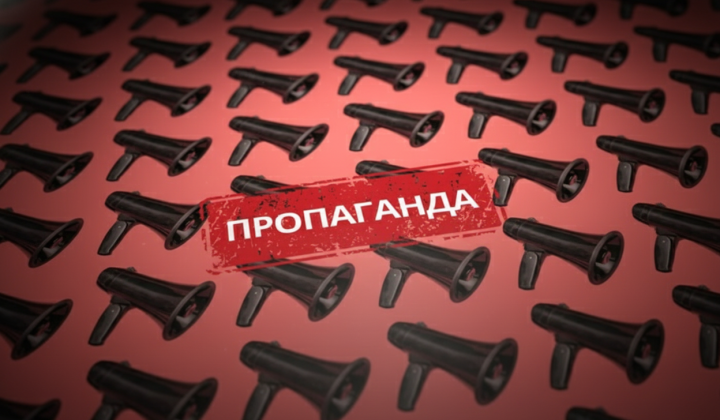
According to Главком: Russia intends to allocate close to $1.8 billion for state-run propaganda in 2026, according to Andriy Kovalenko, head of the Center for Countering Disinformation. He stated that this budget reflects Moscow’s aim to intensify its information warfare, especially amid global political shifts and the growing influence of authoritarian regimes. This comes as part of a broader trend where nations like Russia, China, and Iran significantly invest in shaping global narratives.
The need to bolster information campaigns emerged as a key topic during talks between Chinese leader Xi Jinping and Russian President Vladimir Putin. Expanded negotiations in Beijing concluded with the signing of a joint declaration. The document outlines cooperation in media and information policy, with both sides agreeing to strengthen ties between major media outlets, expand digital diplomacy, and counter what they term false information. According to Kovalenko,
“translating from diplomatic language – they aim to synchronize information campaigns and tighten control over narratives.”
Russia-China Collaboration
During the meeting, Putin emphasized that Russia and China are vital trade partners and referred to Xi Jinping as his dear friend. This highlights the closeness between the two nations and their ambition to build a global information alliance of authoritarian states. Kovalenko noted,
“propaganda and digital armies are components of military power”
in Russia, China, and Iran. He added that 'the war for territory continues on the frontlines, while the war for perception unfolds in the digital realm.'
It is worth noting that China invests roughly $10 billion annually in international information operations, while Iran dedicates hundreds of millions of dollars to propaganda. These figures underscore the serious efforts by nations seeking to influence the global information space, including through new coalitions and interaction mechanisms.
President Putin arrived in China for an official visit on May 19. His plane landed in Beijing that evening, where he was greeted by an honor guard and a group of people waving Russian and Chinese flags. The meeting culminated in the signing of a declaration on establishing a multipolar world, further confirming both countries' drive for close cooperation in information policy.
In summary, the rising budgets for propaganda and information campaigns in Russia and China signal their shared strategic interests in countering Western influence. The declaration signed during the Putin-Xi meeting opens new avenues for collaboration among authoritarian regimes in the information sphere, which could significantly reshape the global information landscape.
As Russia intensifies its propaganda efforts, the collaboration with China becomes increasingly significant. This partnership is not only evident in their mutual support against Western initiatives but also highlights a shared strategy in the realm of information warfare. To understand the broader implications of this alliance, including their joint stance against defense initiatives like Trump's missile defense plan, read more about their coordinated response here.

Read also