Fuel Shortage Causes Russia to Lose Grip on Gasoline Prices

Rising Gasoline Prices in Russia Amid Fuel Shortage
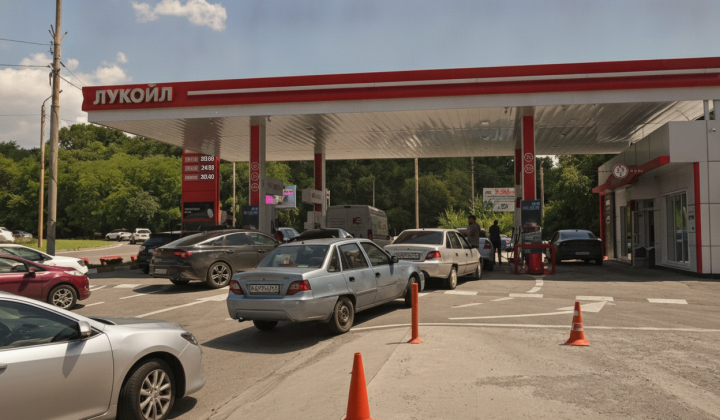
According to Главком: Russia is facing a surge in gasoline prices from Belarus due to a fuel deficit. The cost of Belarusian A-92 gasoline jumped 6% in the last week, reaching 127,000 rubles per ton-a 1.8-fold increase since early May. Between June 1 and June 26, a total of 79,380 tons of Belarusian gasoline were sold on the exchange, reflecting strong demand for this fuel amid the shortage.
Production Levels and Sales Restrictions
Domestic gasoline production in Russia has dropped to 85,000 tons per day, while the economy requires 110,000 tons daily-a shortfall of roughly one-quarter of the usual volume. The fuel deficit has affected over 80 federal subjects of Russia, with 40 regions already imposing full or partial restrictions on fuel sales. According to available data, Belarusian fuel is delivered within 30 days, whereas in Russia, exchange contract fulfillment can take up to 60 days, with actual delivery occurring around day 35.
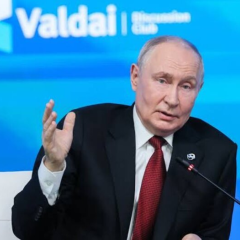
On June 30, the price of A-92 gasoline, based on the European part of Russia index, rose by 0.12% to 70,710 rubles per ton, while A-95 increased by 0.01% to 75,120 rubles per ton. According to Sergey Aksyonov, the fuel shortage situation indicates that a quick resolution to this problem is unlikely.
“The fuel deficit situation points to serious economic challenges the country is facing.” - Sergey Aksyonov
It is worth noting that the main suppliers of Belarusian gasoline are the Mozyr and Novopolotsk oil refineries. Under these conditions, where demand outstrips supply, fuel prices may continue to rise, which could have negative consequences for the national economy.
The fuel shortage in Russia highlights the serious economic challenges the country is encountering. Reduced gasoline output and increasing fuel prices could lead to higher costs for businesses and households, potentially fueling inflation. Moreover, restrictions on fuel sales in various regions may trigger social tension and public discontent, further complicating the situation.
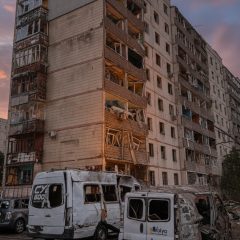
As the fuel deficit in Russia worsens, it's essential to consider the broader implications of supply disruptions. In a similar vein, recent refinery attacks have driven gasoline prices to unprecedented levels, further exacerbating the challenges faced by the economy and consumers alike. Understanding these interconnected issues can provide valuable insights into the current energy crisis.

Read also