Russia is losing billions: how Ukraine and its partners are raising the cost of war for the aggressor

Russia is losing billions: how Ukraine and its partners are raising the cost of war for the aggressor
According to МЗС: In 2025, Ukraine continued to increase pressure on Russia through economic, military, and legal measures, resulting in a rise in the cost of war for the aggressor. The main areas of focus were increasing sanctions pressure, military aid, and holding Russia accountable for aggression. The end of 2025 was marked by a record budget deficit for Russia, reaching $54 billion, with projections suggesting it will exceed $70 billion by year-end.
Sanctions and Their Impact
November 2025 was significant for the Russian oil and gas sector, as revenues decreased by 34% compared to November 2024. In response to Russia's aggression, the European Union introduced four new sanctions packages from the 16th to 19th. The United Kingdom approved 17 sanctions decisions, Canada - 7, the USA - 4, Australia - 5, New Zealand - 2, and Japan - 2. The price cap on Russian oil was set at $47.60 per barrel, adding additional pressure on the aggressor's economy.
The total number of sanctioned tankers in Russia's 'shadow fleet' reached about 800 vessels, complicating the transportation of Russian oil products. The expected level of support from partner countries for Ukraine is approximately €40 billion per year. In this context, the USA decided to sell Ukraine 3,350 guided cruise missiles ERAM and 3,350 integrated navigation systems.
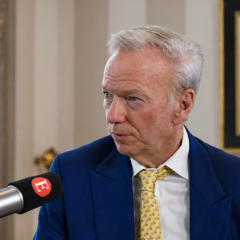
Andrey Sibiga noted: 'Throughout the year, we weekly and monthly, together with our partners, increased the cost of war for the aggressor and heightened pressure.'
Additionally, an agreement was signed to establish a Special Tribunal for the crime of aggression against Ukraine. He also emphasized that 'our task as diplomats, set by the President of Ukraine Volodymyr Zelensky, is to constantly raise the cost of war for the aggressor by all means through cooperation with partners.'
Among the main areas of pressure on Russia, three key points can be highlighted:
- depriving Russia of profits for war, primarily from oil and gas;
- closing access for the Russian regime to technologies;
- painful restrictive measures directly against Putin's accomplices.
These measures contribute to raising the cost of war for the aggressor and demonstrate the unity of the international community in supporting Ukraine.
These events underscore the importance of international solidarity in supporting Ukraine and pressuring Russia. The introduction of new sanctions and military aid from partners reflects the growing global responsibility in confronting aggression. The continuous increase in the cost of war for Russia could become a key factor in changing the dynamics of the conflict and urging peaceful negotiations.

Read also