Putin Deploys 'General Armageddon' as Russia Suffers Heavy Losses in Donbas and Intensifies Attacks on Kyiv

Current Developments in Donbas
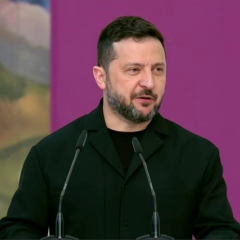
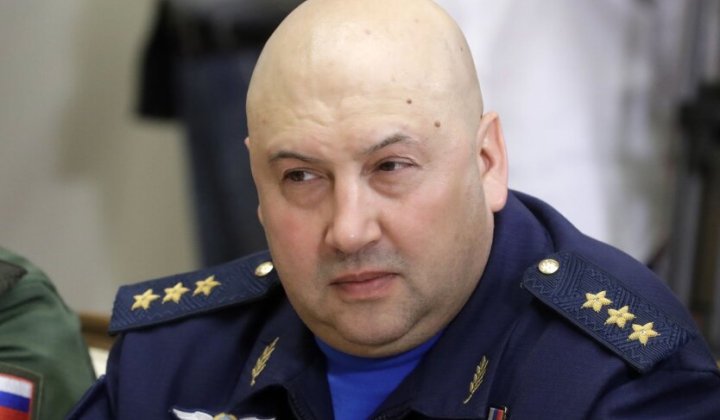
According to ХВИЛЯ: The Russian offensive in Donbas continues to be marked by severe casualties and manpower shortages. In response, Vladimir Putin has assigned General Sergey Surovikin-nicknamed 'General Armageddon'-to lead strikes against Kyiv. According to Ukrainian President Volodymyr Zelensky, over 10,000 Russian soldiers have died within a single week. Ukrainian forces are mounting increasing pressure on Russian troops, particularly around Pokrovsk and Lyman, reflecting the growing effectiveness of Ukraine’s military operations.
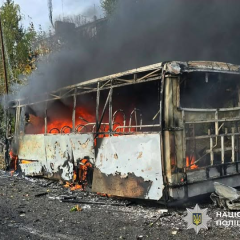
Despite Russia’s attempts to push forward, their situation remains precarious. While a large-scale mobilization could bring hundreds of thousands of new soldiers from Russia, the Kremlin is wary of the political consequences this might trigger. Meanwhile, Russian assaults on Kyiv persist, targeting civilian infrastructure including the National Academy of Sciences. On Tuesday alone, the capital experienced 18 air raid alerts, underscoring the ongoing threat posed by Russian forces.
Expert Insights and Strategic Analysis
British analyst Hamish de Bretton-Gordon observed, "Putin understands strength, but he understands weakness even better."
He emphasized that if Russia fails to defeat the Ukrainian military outright, it will attempt to break the Ukrainian people’s spirit and resilience during the winter months. De Bretton-Gordon noted that "just as Ukraine seems to be gaining momentum on the battlefield, Putin tries to shift the conflict to a domain where he believes Russia holds an advantage: testing the endurance of civilians."
Russia faces significant shortages in air defense missiles, particularly costly interceptors like the American Patriots. Nevertheless, Russia has reoriented its economy toward war production and appears willing to accept heavy casualties. The expert urges the West to escalate deliveries of air defense missiles, radar systems, drones, and electronic warfare equipment to Ukraine. There is also ongoing discussion about protecting key Ukrainian regions or facilities through NATO air operations without directly entering the war.
De Bretton-Gordon also stated, "National security cannot be assured without protecting a nation as a whole."
He called for increased support to Ukraine, warning that "if we let Putin believe that bombing Kyiv is effective, he will only intensify his attacks." The conflict remains highly volatile, and the decisions made by Western governments in the coming weeks could significantly influence the course of the war.
The situation on the front lines reveals that even with mobilization efforts, Russia struggles to organize successful offensives and sustain its forces. The growing proficiency of Ukraine's armed forces in repelling the aggression highlights the crucial role of international aid. Western nations continue to weigh options for boosting military assistance as the conflict’s duration and impact remain uncertain. The global community closely monitors these developments to determine appropriate responses moving forward.
The ongoing conflict has prompted not only military responses but also strategic preparations from NATO, which had been underway long before the recent escalation. Understanding the broader implications of Russia's actions in Ukraine is essential for grasping the current situation. For a detailed look at how NATO has been gearing up for potential confrontations with Russia, you can read more about NATO's preparations prior to the invasion.

Read also