Russia Adopts New Barrage Tactics: Mass Drone Strikes and Daylight Attacks

Shift in Russian Military Tactics
According to Главком: Russian forces have altered their strategy for attacking Ukraine, now employing concentrated barrages of dozens of drones and missiles against single targets and carrying out strikes during daylight hours. This change was reported by Ivan Tymochko, head of the Land Forces Reserve Council of the Ukrainian Armed Forces. According to his analysis, Russia's shift to volley fire is a direct result of a shortage of operational launch platforms, forcing them to concentrate their available firepower.
On April 16, the Russian military launched a massive assault on Ukraine using attack drones and missiles. The primary targets of that day's attacks were:
- Kyiv
- Odesa
- Kharkiv
- Dnipro
- Bila Tserkva
- Cherkasy
- Frontline territories
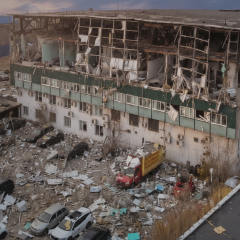
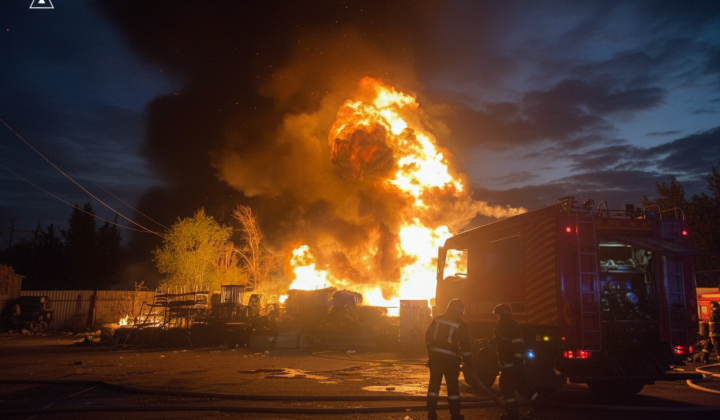
During the night of April 16, Russian forces struck Dnipro, Kyiv, Odesa, and Kharkiv. The attack on Kyiv resulted in fatalities, while eight people were killed in Odesa. In Dnipro, two people died, and survivors suffered from head injuries, shrapnel wounds, and acoustic trauma. One woman in Dnipro remains in critical condition.
The strikes on Dnipro hit residential areas, damaging a five-story building and partially destroying a private house. Ivan Tymochko explained the logistical constraints behind this new tactic:
“They lack enough launchers to operate continuously and fire large volumes of munitions. After several launches, they still need to carry out certain maintenance, inspections, and checks on the degree of suitability for use in subsequent salvos… They need a quantity of launch systems which they do not have.”
New Tactics and Their Consequences
This barrage tactic serves a dual purpose: not only to destroy targets but also to maintain constant pressure across Ukraine and to probe for weaknesses in the mobile fire groups of the Ukrainian Armed Forces. The increasing frequency of daytime attacks signals a shift in Russia's operational approach. The technical pause required between volleys, due to the limited number of serviceable launchers, necessitates time for reloading and maintenance.
These tactical adjustments likely represent an adaptation by Russian forces to the evolving battlefield, including the effectiveness of Ukrainian air defense systems. The mass barrages may also be intended to pressure the civilian population and destabilize the internal situation in Ukraine. The rise in daytime strikes indicates a willingness by Russian troops to operate more actively, despite the increased risks posed by heightened Ukrainian defensive readiness. These actions demand continuous monitoring and adaptation from the Ukrainian military to ensure the protection of civilians and critical infrastructure. This evolving strategy underscores the war's protracted and attritional nature, where logistics and equipment sustainability play a decisive role.
The recent shift in Russian military tactics has significant implications for the ongoing conflict. As reported, the new strategy not only aims to maximize damage through concentrated drone strikes but also challenges Ukraine's air defenses. To understand the broader impact of these changes and how they affect the overall dynamics of the war, you can read more about Russia's evolving air strategy and its effects on Ukrainian defense capabilities.

Read also