Fuel Crisis Drives Russians to Mass-Search 'When Will the War End'

Russia's Fuel Crisis and Its Economic Fallout
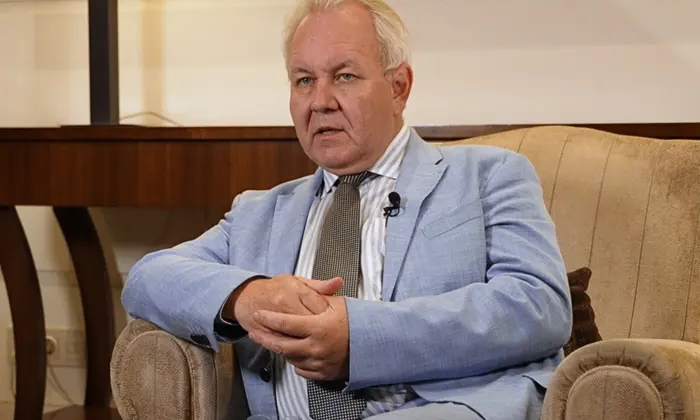
According to Главком: In an interview, economist Vladislav Inozemtsev analyzes the fuel crisis gripping Russia-triggered by Ukrainian strikes on oil refineries-and its broader impact on the nation's economy. He highlights a surge in online searches for the war's end, acute gasoline shortages, hidden money printing, and rising taxes. The economist also raised the possibility of interference in the State Duma elections, scheduled for September 18–20, 2026.
Fuel Shortages and Key Economic Indicators
During the last week of June 2026, Yandex logged 137,000 searches for "When will the SVO end," reflecting growing public anxiety. To cover fuel deficits, Russia has begun importing gasoline from India and receiving humanitarian aid from Kazakhstan. Military spending in 2026 is expanding at a 30% rate. The Russian army consumes roughly 2% of the nation's gasoline and 3% of its diesel. Daily domestic demand for gasoline stands at about 105,000–110,000 tonnes, while internal production is only 85,000 tonnes. An additional 4,000–5,000 tonnes arrive daily from Belarus, and 10,000–12,000 tonnes from India.
Russia's economic situation remains strained. Fixed-capital investment dropped 13% in the first quarter of 2026, and the annual GDP growth forecast has been cut to 0.4%. The projected 2026 budget deficit is 7–8 trillion rubles. In January 2026, 18 billion rubles were allocated for the damping mechanism; by May, that figure had multiplied 12-fold. Oil and gas revenues totaled 400 billion rubles in February 2026 and 650 billion rubles in May. The expected volume of hidden money issuance for 2026 reaches up to 7 trillion rubles.
"Putin's nerves have given way, and he's now completely dancing to the tune of his military commanders."
Vladislav Inozemtsev
According to Inozemtsev, "the main source of war funding remains tax hikes, which, in my view, is sheer madness." He also notes: "By bombing the refineries, Ukraine saved the Russian government 200 billion rubles a month." Meanwhile, Russia's projected inflation for 2027 stands at 12–13%, with consumer inflation exceeding 20%. Real gasoline prices have risen 20–25% nationwide, and up to 30% in some regions.
Against this backdrop, Inozemtsev argues that Russia's modern economy can function with half the population, because "it simply doesn't need that many people." Given mounting economic pressure and social discontent, the Kremlin, he warns, may face new challenges in the near future.
Russia's fuel shortages and economic indicators point to serious difficulties amid the ongoing conflict. Widening gasoline deficits and rising military spending suggest that domestic production cannot meet demand, potentially fueling social unrest. Moreover, as Inozemtsev notes, tax increases could further stoke dissatisfaction-a dangerous factor for the Kremlin in a politically unstable environment.
As the fuel crisis escalates, many Russians are also feeling the financial pinch, leading to a significant reduction in their expenditure on essentials. This trend highlights a broader economic struggle driven by the ongoing conflict. For a deeper understanding of how the war is affecting daily life and spending habits, read more about how Russians are cutting back on food and fuel.

Read also