Russian Experts Advise on Easter Bread Consumption Limits

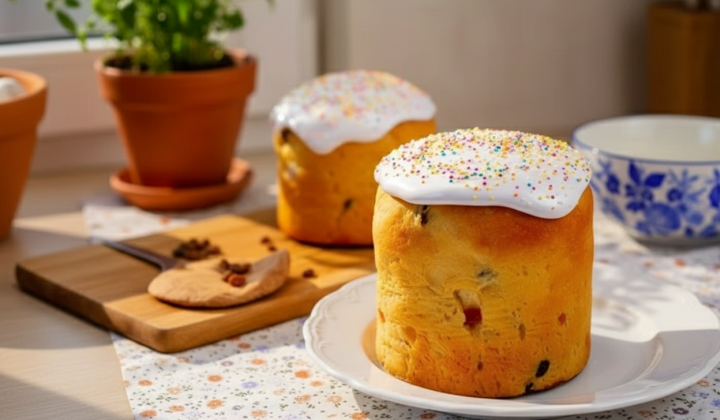
Guidelines for Eating Easter Bread
According to Главком: A Russian publication has featured commentary from Elena Taranova, head of the Department of Grain, Bakery, and Confectionery Technologies at a Russian university, who provided advice on consuming 'paska,' a traditional Easter bread. She stated that the optimal daily intake for a healthy adult is approximately 100 to 150 grams. Taranova recommended consuming it during the first half of the day as part of a main meal, rather than as a separate snack. She also warned that abruptly introducing high-calorie foods rich in sugar and fats into one's diet can place an uneven strain on metabolic processes. This advice comes during the Orthodox Easter period when such rich foods are commonly consumed.
Taranova emphasized that the significant amounts of sugar, fats, and refined flour in paska define its technological and sensory qualities but also make it a nutritionally heavy product. This is particularly true following periods of dietary restriction, such as Lent.
Reactions to the Commentary
Separately, the Ukrainian Ministry of Defense responded to a post on the social network Threads by Russian singer and Putin supporter Nikolai Baskov. Baskov later deleted the Ministry's comment from beneath his post.
In other news, during a meeting with the Council of Ministers, Alexander Lukashenko commented on the use of snus and e-cigarettes, stating that he 'doesn't understand smoking and alcohol.' These events have sparked discussions in media and social networks, highlighting ongoing public debates on various social and political issues in the region.
The recommendations from Elena Taranova underscore the importance of a mindful approach to holiday eating, especially when increasing consumption of calorie-dense foods like paska. Meanwhile, the Ukrainian Defense Ministry's reaction to Baskov and Lukashenko's remarks on tobacco products reflect the broader, often contentious, public discourse in the region.

Read also