Putin Refuses to Cut Military Spending Despite Russia Running Out of War Funds

Russia's Financial Strain
According to ХВИЛЯ: Senior officials from Russia's Ministry of Finance and Central Bank have alerted President Vladimir Putin that the country is facing a severe shortage of money to sustain its war efforts. In response, the Finance Ministry formally proposed reducing budget expenditures by 16 trillion rubles over the next three years. Currently, the federal budget deficit stands at approximately six trillion rubles, while regional budgets show a gap of about one and a half trillion rubles.
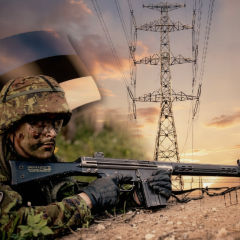
Despite these alarming figures, Putin has rejected any cuts to military spending. Reports indicate that the president has already expanded the army to 1.5 million personnel, with a potential further increase of 200,000 to 300,000 troops. At the same time, Russia is failing to meet its permitted OPEC oil production quotas, further complicating its ability to finance military operations.
Economic Hurdles and Consequences
Economist Igor Lipsits commented on the situation, noting that 'they will simply be called up through military enlistment offices without any pay, without any contracts, and without massive funeral benefits.'
Lipsits emphasized that under current economic conditions, 'refineries are burning, pipelines are clogged, and tankers are not moving.' Russia cannot extract more oil to generate additional revenue and better fund the war, leading to a deadlock.
Cuts to civilian spending could impact key sectors such as:
- education
- healthcare
- road construction
- housing and utilities
- scientific research
- urban development
Meanwhile, industries like ferrous metallurgy and construction are already struggling, facing serious difficulties amid the country's current economic climate.
This situation highlights the severe economic challenges Russia faces as it continues military operations. The need to fund the army amid a budget deficit could lead to significant social consequences, as reduced spending on civilian sectors may negatively impact the population's quality of life. With no way to boost revenue-particularly through increased oil extraction-the country finds itself in a difficult position where the choice between military spending and social welfare becomes ever more pressing.
The ongoing financial strain on Russia's economy raises critical questions about the sustainability of its military expenditures. As highlighted in a recent report, the budget deficit is escalating, prompting concerns among officials about the long-term implications for both military and civilian sectors. Understanding these dynamics is essential to grasp the full impact of Putin's decisions on Russia's economic future.

Read also