Russia’s Rubicon Drone Center Nearly Triples in Size Within a Year

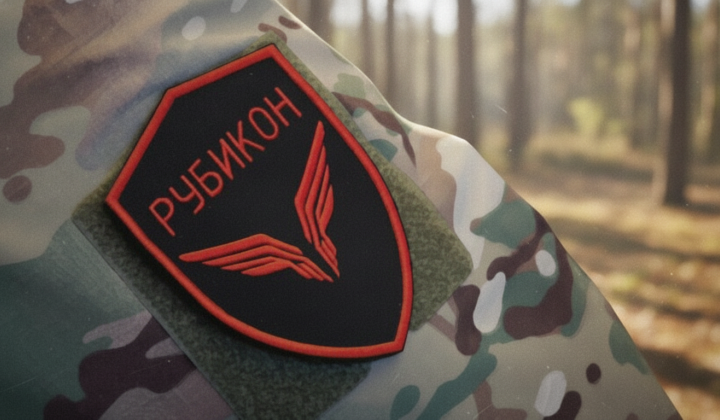
Analysis of the Rubicon Unmanned Systems Center
According to ХВИЛЯ: Analysts Dmytro Putyata and Rob Lee, writing for Two Marines, conducted a study of Russia’s Rubicon unmanned systems center, which was established on August 2, 2024, by order of Russian Defense Minister Andrey Belousov. Over the course of a year, the center’s personnel grew from roughly 1,450 to 5,000, with an authorized strength of 9,000. The center expanded to include 17 detachments, two unmanned systems battalions, and six companies.
At the start of 2025, the center had eight combat detachments, but its structure was later enlarged. The typical detachment’s staffing was increased from 149 to 474 personnel. The command of Rubicon was taken over by Sergey Zbukarev, replacing Colonel Sergey Budnikov. Budnikov now leads the 50th Varyag Unmanned Systems Brigade, taking about 600 personnel with him.
Structure and Size of Russia’s Unmanned Systems Forces
By late 2025, Russia’s unmanned systems forces numbered approximately 87,000 personnel, with plans to reach 165,000 by the end of 2026. However, analysts note that Russia is falling short of its monthly recruitment targets.
The study also highlights that ‘Rubicon has so far managed to complicate the situation for Ukrainian brigades holding the front line, but this is not enough for a breakthrough.’
Rubicon detachments played a role in Russia’s recapture of the Kursk region and supported the Center group in the Pokrovsk direction during the summer and fall of 2025. The Russian forces aimed to advance toward Barvinkove in the Kharkiv region and encircle Sloviansk, Kramatorsk, Druzhkivka, and Kostiantynivka. Occupiers took control of most of Pokrovsk and Myrnohrad.
Rubicon fighters are paid at the level of Special Operations Forces, and the center independently selects personnel and has the authority to take drone crews from regular units. Rubicon detachments receive equipment directly from manufacturers. It should be noted that a talent shortage and competition for Russia’s most capable and tech-savvy young men and women remain a key constraint, according to analysts. Rubicon has also lowered its requirements for candidates, and new detachments are staffed by drawing crews from regular brigades.
Thus, the Rubicon unmanned systems center continues to evolve and play a significant role in Russia’s military operations, despite recruitment difficulties and the need to improve personnel qualifications.
The study of the Rubicon center and its significance in the context of Russian military strategy underscores the growing importance of unmanned technologies in modern warfare. The expansion of its staff and structural transformation highlight Russia’s efforts to adapt to new combat conditions and leverage cutting-edge technologies to achieve strategic objectives. This could have serious implications for regional security and the military balance, especially amid the ongoing conflict in Ukraine.
The rapid expansion of Russia's Rubicon Drone Center raises questions about the overall effectiveness of unmanned systems in modern warfare. As Ukraine enhances its drone capabilities, evidenced by their recent operations that disrupt Russian supply lines in the south, the dynamics of the conflict continue to evolve. For a deeper understanding of how Ukraine's drone strategies are impacting the battlefield, explore our detailed analysis on Ukraine’s drone operations.

Read also