Fuel Crisis Grips Russia as Gasoline Shortages and Poor Quality Worsen

Russia's Fuel Crisis
According to ХВИЛЯ: Economist Igor Lipsits has warned that Russia is facing a full-blown fuel crisis marked by shortages, declining gasoline quality, and rising prices. New restrictions on fuel sales are sparking public anger. In a move that favors Rosneft CEO Igor Sechin, the government has cut oil sales on the exchange-jeopardizing independent gas stations across the country.
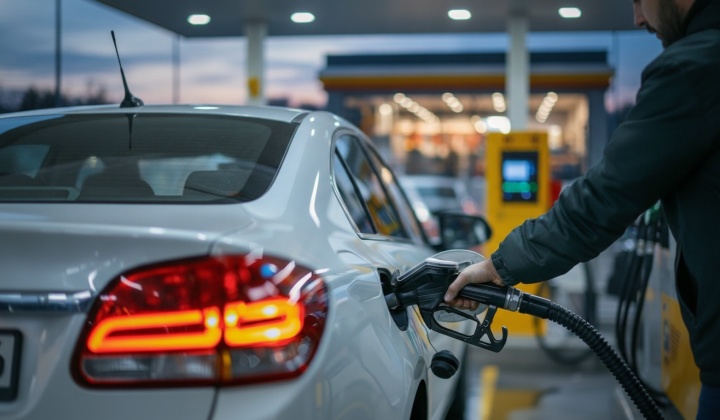
The fuel crisis in Russia isn't just creating long lines at gas stations-it's steadily unraveling the everyday economy and fueling public frustration. In the Voronezh region, drivers are only allowed to buy gasoline based on their vehicle's license plate number, with a maximum of 50 liters per person. In Yakutia, one of the largest fuel networks has stopped selling diesel entirely and now caps gasoline at 30 liters per tank. These measures highlight a severe shortage spreading across the nation.
Quality and Price Problems
On top of the shortage, a new problem has emerged: low-quality gasoline that is damaging modern cars. In occupied Crimea, a liter of gasoline costs between 300 and 350 rubles-far above the national average.
Igor Lipsits noted: 'Either you pay 300–350 rubles per liter, or you stay and leave your car to rot in Crimea.'
This underscores the serious difficulties drivers face in a region where fuel prices are skyrocketing.
Independent gas stations account for roughly 40% of gasoline sales and serve nearly 60% of the country's territory. But with exchange-based oil sales shrinking, their operations are under threat. Imported gasoline from India, including transport costs, would run 120–150 rubles per liter-signaling that the situation could deteriorate further.
Lipsits emphasized that
'the rise in retail prices is obvious and unavoidable.'
As China sharply reduces its purchases of Russian oil, the fuel market is becoming critical. The normal fabric of daily life is starting to break down. This isn't a catastrophe or the collapse of Russia's economy, but it is the dismantling of the familiar way of life people have grown used to.
In short, Russia's fuel crisis poses a serious challenge that demands urgent action from the government and relevant authorities to prevent further escalation.
The fuel crisis in Russia could have far-reaching consequences for the country's economy and public welfare. Rising fuel prices, shortages, and deteriorating gasoline quality may weaken consumer demand and increase social tensions. How the government responds to this crisis will serve as a key test of its ability to tackle economic challenges amid shifting global energy markets.
The ongoing fuel crisis is further exacerbated by recent events, including drone strikes that have targeted crucial oil refineries. These attacks have intensified supply issues, leading to a more severe shortage of fuel across the country. To understand the broader implications of these developments, you can read more about how these strikes have contributed to the current situation in our detailed report on the fuel shortage crisis in Russia.

Read also