Curiosity Rover Uncovers Ancient Pure Sulfur Deposits on Mars Dating Back 2.8 to 3.1 Billion Years

The Yellow Mystery of the Red Planet
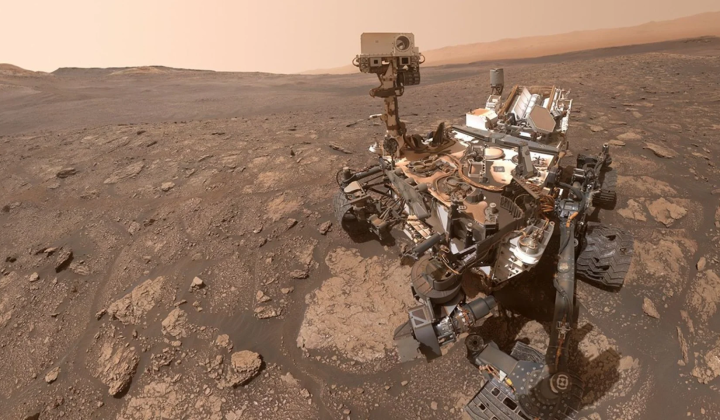
According to НВ — Техно: In 2024, NASA's Curiosity rover discovered extensive deposits of pure sulfur within Gale Crater's Gediz Vallis on Mars, estimated to be between 2.8 and 3.1 billion years old. Researchers from Washington University in St. Louis and Cornell University have proposed two possible geological processes that could explain the formation of these sulfur-rich layers. Their findings were published in the journals Science and Geophysical Research Letters. Understanding these deposits provides valuable insight into Mars' ancient volcanic activity and surface chemistry.
How the Sulfur Formed
The sulfur fields uncovered by Curiosity cover approximately 2,100 square meters. During exploration, the rover caused a rock to crack open, revealing crystals of elemental sulfur inside. Scientists concluded that these rocks formed in place, as indicated by their fragile nature. One theory suggests that volcanic gases trapped beneath ice layers-known as clathrates-released sulfur as they interacted with the Martian surface. Another explanation involves a chemical reaction between dissolved sulfide and chlorate ions in acidic water at ambient temperatures, producing bright yellow sulfur crystals. Depending on the amount of chlorate present, the reaction yields either pure sulfur or sulfate minerals.
Hydrogen sulfide likely originated from subsurface reservoirs on Mars. These new discoveries about pure sulfur deposits open new avenues for reconstructing the planet's geological past and assessing its environmental evolution.
“Discovering a stretch of rocks made of pure sulfur is like finding an oasis in a desert.”
Ashwin Vasavada, Research Scientist
“It’s astonishing to consider how long these rocks have remained nearly chemically unchanged.”
Jeff Berger, Researcher
This research underscores the importance of continued Mars exploration, as studying sulfur deposits not only sheds light on the planet’s geological timeline but also helps scientists evaluate past environmental conditions. These insights are crucial for understanding Mars' potential to have supported life and guiding future missions aiming to uncover its secrets.
In addition to the sulfur findings, recent discoveries by NASA's Perseverance rover have revealed the presence of ancient organic carbon in Martian rocks, hinting at the planet's potential for past life. This exciting research complements the insights gained from the sulfur deposits, as both studies contribute to our understanding of Mars' geological history and environmental conditions. For more details on this groundbreaking research, check out the full story on ancient organic matter detected by Perseverance.

Read also