New Study Quantifies Health Benefits of Gardening: Reduced Stress and Increased Activity

The Health Impact of Gardening
According to Главком: A new study from CU Boulder provides concrete evidence that gardening offers substantial health benefits. The research found it significantly lowers stress levels, increases physical activity, and boosts dietary fiber intake, which can reduce disease risk. These findings were published in the journal Lancet Planetary Health. This adds to a growing body of evidence supporting the role of nature-based activities in public health.
Study Design and Key Findings
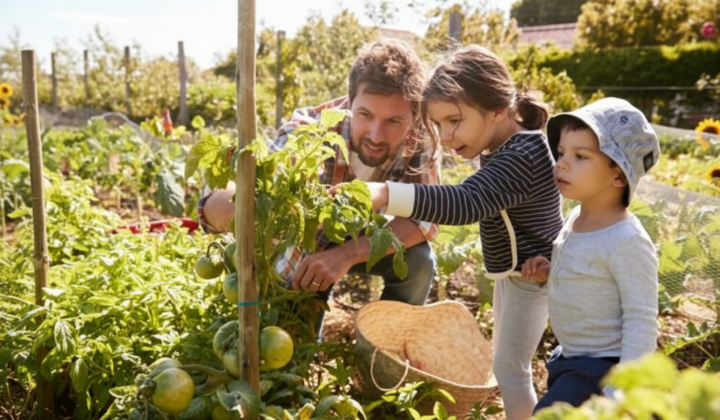
The research involved 291 adults with no prior gardening experience, who were divided into two groups:
- One group received a free community garden plot, seeds, seedlings, and a gardening course in the spring.
- The other group was placed on a waiting list for one year before starting.
By the onset of autumn, the active gardening group consumed, on average, an additional 1.4 to 1.7 grams of fiber daily. This increase is notable given that the recommended daily intake is 25 to 38 grams, while the average adult consumes less than 16 grams.
Furthermore, participants who gardened engaged in 42 more minutes of physical activity per week compared to the control group. With health authorities recommending about 150 minutes of weekly activity, gardening contributed a substantial portion. The study was conducted in Denver's community gardens.
'Even a one-gram increase in fiber consumption can have a major positive impact on health.' – James Hebert
The director of Denver's community gardens noted that the 'results are unsurprising. It is transformative, even life-saving, for many people.' The study confirms that gardening benefits not only physical health but also overall well-being.
This research underscores the value of an active lifestyle and healthy eating, both facilitated by gardening. In light of widespread health issues linked to sedentary behavior and poor nutrition, initiatives like community gardening can be a vital tool for improving public health. These gardens encourage a healthier lifestyle by promoting the consumption of home-grown produce and outdoor activity.

Read also