Lard prices increased by 26%: why prices exceeded 200 hryvnias per kilogram

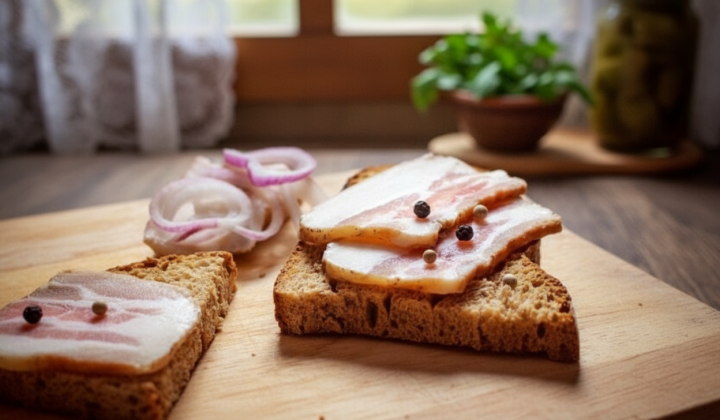
Price Increase for Lard in Ukraine
According to ХВИЛЯ: The prices for lard in Ukraine have risen by 26.2%, exceeding 200 hryvnias per kilogram. This increase is related to a decline in the pig population and outbreaks of African swine fever (ASF) reported in five western and northern regions of the country. In recent years, Ukraine has lost about 40% of its pigs, which has significantly impacted the lard market.
The average price of lard has reached new heights, especially elite varieties costing 600-700 hryvnias per kilogram. Meanwhile, the purchasing prices for live pigs have fallen by more than 30%, which also affects the cost of finished products. Experts predict that lard prices may rise by another 20-30 hryvnias before the New Year holidays due to increased demand during this period.
Market Situation Assessment
Specialists note that the shortage of thick lard has mainly been provided by the private sector, which has suffered the most. Mykola Babenko, an expert in this field, emphasizes that
'the year will be very difficult for producers'
. Additionally, a 'dead season' is expected from the end of January to the end of February, which may further complicate the market situation.
For consumers, it is important to know when to buy lard and how to recognize the danger related to product quality. If possible, experts advise making lard reserves in the second decade of January, when prices may still be lower, and the selection wider. This will help avoid purchasing poor-quality or infected products.
The increase in lard prices in Ukraine is a worrying signal for consumers and producers, as it reflects not only problems in pig farming but also general trends in the food market. The loss of a large number of pigs due to ASF may lead to further price increases and instability in supply, especially during periods of heightened demand. In such conditions, it is important to monitor product quality and consider expert recommendations regarding lard purchases to avoid potential health risks.

Read also